

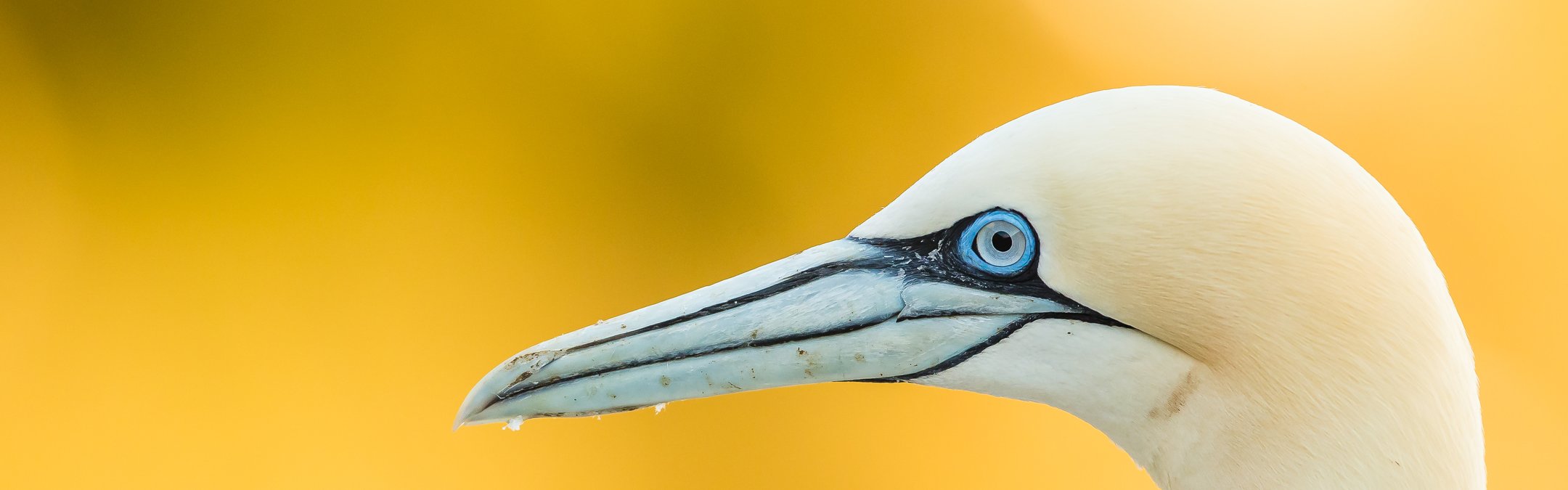
A close up image of a northern gannet's head looking to the left. The yellow background is blurred and the bird's beak is slighly wet with water drops

Positive ocean news: August ’26 edition

26 Aug 2026

1 minute read

This month brought the installation of mooring systems to protect vital seagrass meadows, a ban on gannet hunting, the return of bluefin tuna after a 60-year absence, and much more. Let’s dive into the latest good news for our seas.

New seaweed map highlights how coastal ecosystems are evolving
The launch of a new interactive map brings together the efforts of hundreds of volunteers and thousands of seaweed sightings from around the UK and Ireland, turning individual finds into a living portrait of our changing shores.  

Built by Amazon Web Services and the Natural History Museum, the map uses data collected through the Big Seaweed Search. Through the citizen science project, the Marine Conservation Society and the Natural History Museum have been mobilising volunteers to monitor shores across the UK for 14 key indicator species of seaweed.

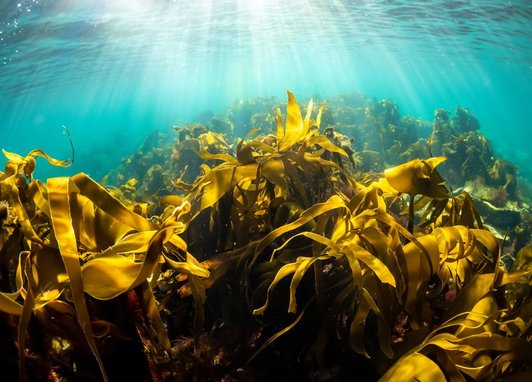
A kelp forest sways underneath sunlight refracted through the water. The water is a clear turquoise while the kelp is thick strands of yellowy-green fronds.

Kelp  |  Image credit: Alison Moore

The data collected over the past 10 years shows how the distribution of seaweeds around the UK is changing, to inform and support action that protect our coastlines, seaweeds, and the wildlife that depend on these habitats.

New eco-moorings installed in Wales’s Llyn Peninsula
Two Advanced Mooring Systems (AMS) have been installed in the waters off Glandon Beach, protecting important seabed habitats from damage by boat mooring.  

The moorings were installed through Natur am Byth! Môr, a four-year species and habitat regeneration project delivered on the Welsh coast. By the end of Autumn 2026, a further 10 AMS will be installed on the Llyn Peninsula and Ynys Môn. 

Delivered by the Marine Conservation Society as part of the NLH-funded Natur am Byth! programme, Natur am Byth! Môr aims to regenerate seagrass beds, mitigate damage caused by traditional mooring systems and evaluate the impact on the seabed.

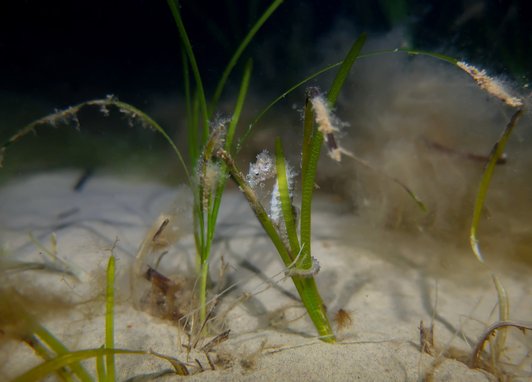
Little clusters of green seagrass are coming out of the sandy seabed. In the middle cluster of seagrass is a juvenile spiny seahorse with its tail wrapped around the grass.

A juvenile spiny seahorse among sagrass  |  Image credit: Georgie Bull

The project is also working to protect the pink sea fan population around Skomer Marine Conservation Zone and is supporting volunteer divers to report sightings. This month, two new fans were recorded off Skokholm island, which is brilliant news for the increasingly rare species.

Bluefin tuna return to northeast England for first time in 60 years
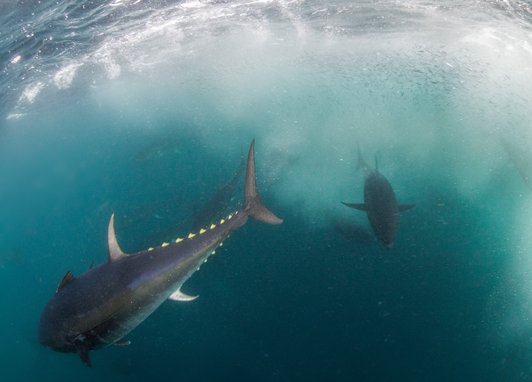
Despite once being renowned for its Atlantic bluefin tuna population, by the 1960s, the fish had disappeared from the North Sea due to overfishing and declining herring populations. However, 60 years later, bluefin tuna have now returned northeast England. 

Researchers from the University of Exeter have tagged five of the fish to find out where they came from and understand their movements. The information collected could help support international conservation and fisheries management to ensure the species doesn’t disappear from the area again.

Read more on the Good News Post
Bluefin tuna can be seen swimming in Cornish water. The fish in the foreground can be seen from the side with incredible yellow finlets. In the background is another large tuna which looks shadowy in the dark blue water.

Bluefin tuna swimming around Cornwall  |  Image credit: Mark Kirkland

Gannet hunt on Scottish island suspended
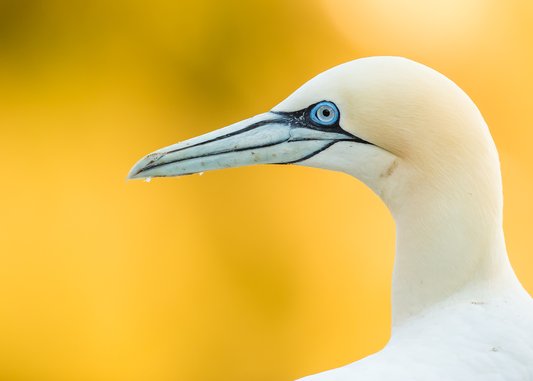
For the first time in 400 years, a license for an annual hunt in which thousands of gannet chicks are killed on Sula Sgeir, has been refused. 

The 10-day ‘guga hunt’ usually takes place on the uninhabited Hebridean island, but NatureScot refused for this year’s hunt to go ahead due to a potential “adverse impact” on gannet populations. The decision was made following a review of the latest scientific evidence and updated population modelling.

A close up image of a northern gannet's head looking to the left. The yellow background is blurred and the bird's beak is slighly wet with water drops

A northern gannet  |  Image credit: Kevin Morgans

Scotland is home to 55% of the world’s gannet population, with Sulga Sgeir’s found to be the worst performing in the country. Between 2001 and 2024, the number of apparently occupied nesting sites at Sula Sgeir fell by almost 2%, while all other colonies increased by between 9% and 314%.

Wildlife and animal rights organisations have welcome NatureScot’s decision to refuse this year’s guga hunting license.

Stranded turtle flown 5,000 miles back home
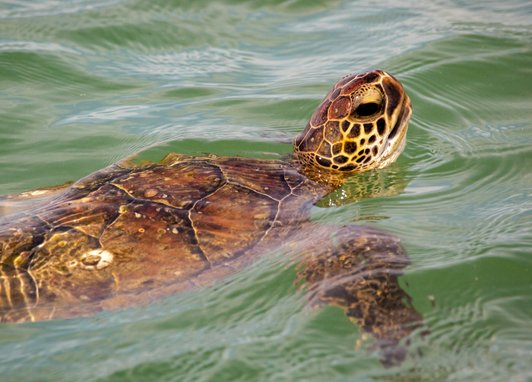
A Kemp’s ridley turtle found washed up on a Welsh beach in 2023 is being sent back home to the Gulf of Mexico, after being nursed back to health at the Anglesey Sea Zoo. 

The turtle, named Rhossi, will be flown back across the Atlantic, after almost two years of planning. The turtle will travel by helicopter and plane in a special temperature-controlled crate and with staff constantly on hand to make sure he doesn’t dry out.

A Kemp's ridley turtle swimming above the ocean surface. Its head is lifted fully out of hte water while its body and shell are still under the waves.

A Kemp's ridley turtle swimming along the ocean surface  |  Image credit: Joshua J. Cotten

Kemp's ridley turtles are Critically Endangered on the International Union for Conservation of Nature and Natural Resources (IUCN) Red List and only lay their eggs on two beaches in Mexico and Texas. Rhossi’s release back to the wild marks a small, but important, step to supporting the species’ survival.

Britain’s Risso’s dolphins found to be genetically unique
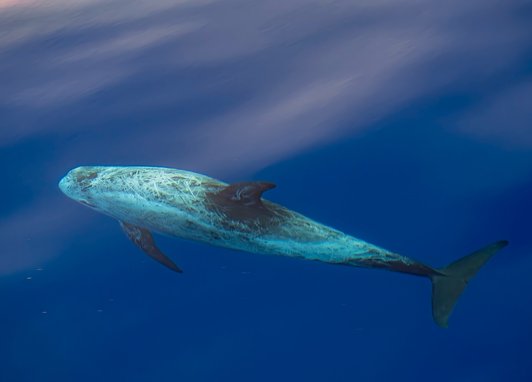
The Risso’s dolphins found in Britain’s waters belong to a single population, a new study has found.  

By studying the DNA of Risso’s dolphins stranded between 1992-2016, scientists discovered that those found around Britain are genetically distinct from other populations across the globe, suggesting they don’t mix much.

Whilst there was no difference between dolphins found around Wales, Scotland and England, the study suggests that dolphins may still live in or return to specific areas and remain in the same groups throughout their lives.

A Risso's dolphin in open water taken from above. Its multiple scars have given it an almost complete white perplexion. Its tail, dorsal fin and flippers remain fairly dark.

A top down view of a Risso's dolphin  |  Image credit: Andrea Izzoti

Future research will help scientists better understand how Risso’s dolphins around the UK are connected, which would help assess their conservation status and inform scientists how they can be protected.

Ocean Photographer of the Year finalists revealed

The finalists for this year’s Ocean Photographer of the Year competition have been revealed, with the selected images providing a glimpse at the remarkable life beneath the waves.  

Run by Oceanographic, the competition celebrates the ocean and the creatures, habitats and people connected to it. Categories include wildlife photography, conservation, the ocean unseen, and human connection.  

Founder and director Will Harrison said: "These photographs don't just capture what's beneath the surface; they surface the stories our planet most needs us to hear. As the pressures on our ocean grow, so does the importance of the artists who bear witness to them.” 

The winners will be announced on the 10th of September. 
Marine Conservation Society

26 Aug 2026