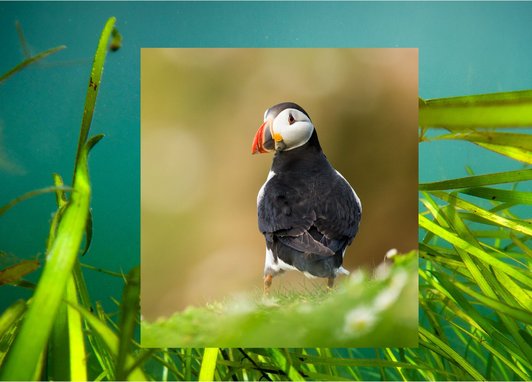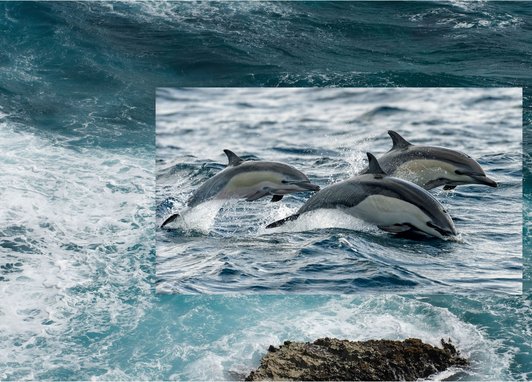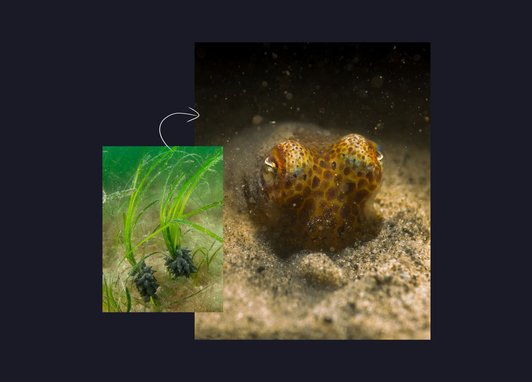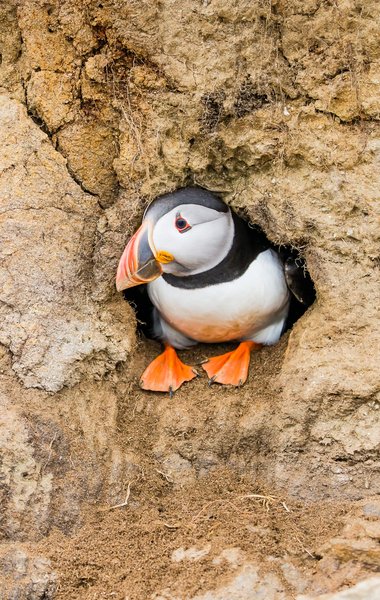
The Marine Conservation Society is the UK’s leading marine charity. We work to ensure our seas are healthy, pollution free and protected.
Our seas are under immense pressure: too many fish are being taken out, too much rubbish is being thrown in and too little is being done to protect our precious wildlife. Our vision is for seas full of life where nature flourishes and people thrive.
Over 1,000 marine wildlife sightings were reported to MCS last year
21 species of shark live in UK waters throughout the year
Discover our wildlife
and report your sightings
Use our guide to find out more about our marine wildlife and where it lives.
Good Fish Guide
The latest advice, top tips and recipes for buying and cooking fish that is sustainably sourced.
Shop
Our shop is full of lots of beautiful products, ideal for gifts or for yourself.
How your money helps
Your support ensures we can continue to be the voice for our seas and oceans.
The Source to Sea Litter Quest form is now available to download, find out more about how you can get involved.
Part of the shark family, whale sharks get their name because they share many characteristics with whales. Ahead of International Whale Shark Day (August 30) we dive in to 5 amazing facts about these gentle giants.
Do you want to make a huge difference to the amount of plastic we throw away each year? The Welsh Government is asking if you think single-use items, like plastic cotton bud sticks, stirrers, and straws should be banned in Wales.
We’re very excited to be launching a brand-new podcast, focusing on all things ocean, marine conservation and how we can work to save our seas – with the help of some very special guests.
We’ve had numerous reports of marine life sightings off the UK coast in recent weeks, as the summer weather has tempted an abundance of visits from species including sunfish, swordfish, jellyfish, leatherback turtles and dolphins
Have you been to the beach recently? You might be surprised at what you can spot this time of year. Jellyfish season is upon us, so there’s a high chance of seeing these gooey creatures around our shores – and if you’re lucky enough to see one, we want to know all about it.
For more than a decade we’ve been involved in some fascinating research which has tracked the migratory habits of teenage green turtles. The work focuses on a Marine Protected Area (MPA) in the Turks and Caicos Islands, the results of which we’re pleased to share in a new paper.
For the first time in over 40 years, we have the opportunity to shape our approach to fishing and sustainability in UK waters – this comes in the form of the Fisheries Bill.
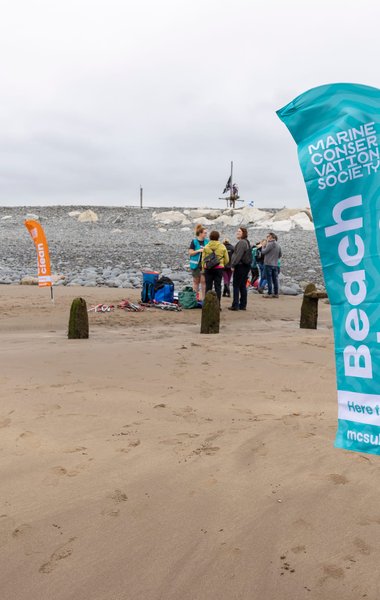
Organising a Great British Beach Clean in 2020 is more important than ever!
Our friends over at plastic-free store PomPom debunk some common plastic myths when it comes to children’s toys. Are they really that harmful?
Due to the unprecedented circumstances we find ourselves in, we have had to rethink our large scale beach cleans this year. Instead of organising big community clean ups, we are promoting smaller beach cleans between families, friends and ‘bubbles’. We need each and every one of you to get organising.
Biologist, filmmaker and presenter of BBC’s Springwatch, Gillian Burke, reflects on how our attitudes to plastic pollution could change in the wake of COVID-19.
As jellyfish season is well and truly upon us, you’re likely to see more jellyfish around UK shores. The Marine Conservation Society is once again calling on beachgoers to report jellyfish sightings on the charity’s website as part of its national Jellyfish Survey.
Marine charity is calling on the UK government to include a requirement for cameras in the new Fisheries Bill
The Marine Conservation Society is seeking public’s support to safeguard seagrass and fight ocean warming
The UK’s leading marine charity, the Marine Conservation Society (MCS), is looking for thousands of volunteers to clean up the nation’s beaches during this year’s Great British Beach Clean event (20th -23rd September).
MCS welcomes the Environment Secretary’s decision to launch an independent review to consider whether Highly Protected Marine Areas (HPMAs) would add further protections to the seas around England and Northern Ireland.
The Marine Conservation Society welcomes today’s announcement by the government of the creation of 41 new Marine Conservation Zones (MCZs), but warns that proper investment in their management and monitoring must be made if they are to benefit both people and wildlife.
The Source to Sea Litter Quest form is now available to download, find out more about how you can get involved.
For more than a decade we’ve been involved in some fascinating research which has tracked the migratory habits of teenage green turtles. The work focuses on a Marine Protected Area (MPA) in the Turks and Caicos Islands, the results of which we’re pleased to share in a new paper.
Part of the shark family, whale sharks get their name because they share many characteristics with whales. Ahead of International Whale Shark Day (August 30) we dive in to 5 amazing facts about these gentle giants.
For the first time in over 40 years, we have the opportunity to shape our approach to fishing and sustainability in UK waters – this comes in the form of the Fisheries Bill.
Do you want to make a huge difference to the amount of plastic we throw away each year? The Welsh Government is asking if you think single-use items, like plastic cotton bud sticks, stirrers, and straws should be banned in Wales.
Social media…