Atlantic Coast
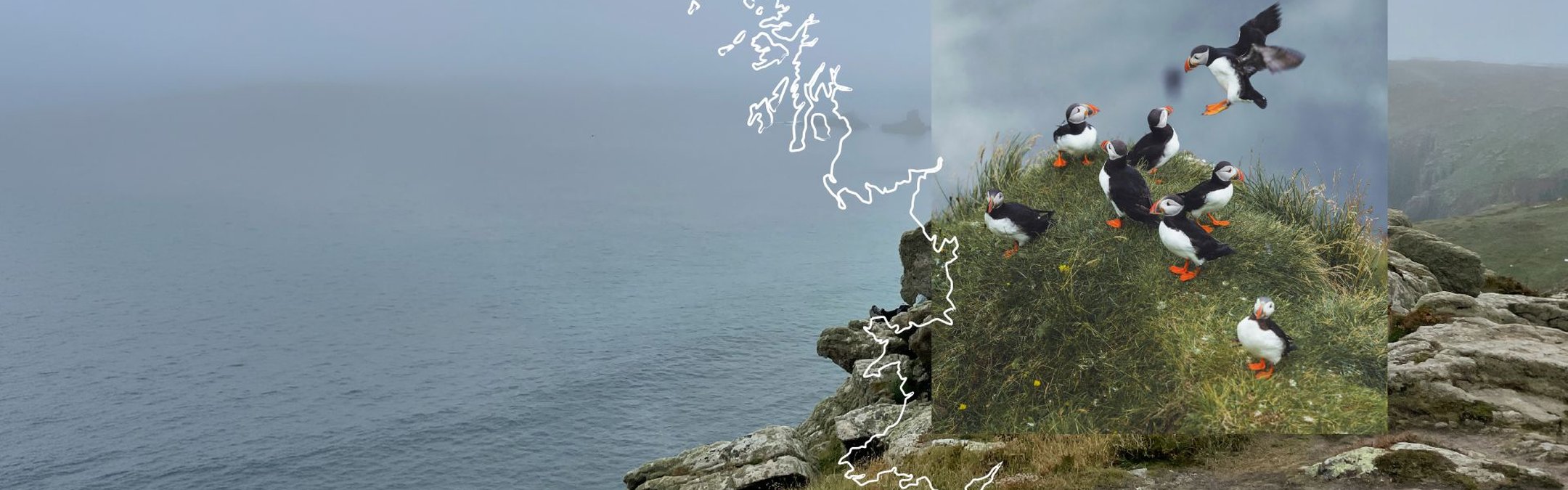
Stretching from Cornwall to the Hebrides, the UK's Atlantic Coast encompasses sandy beaches, sheltered coves, estuaries, mudflats, soaring cliffs and deep seas. It's home to unique and diverse habitats, weird and wonderful species, and is an important marine migratory corridor.
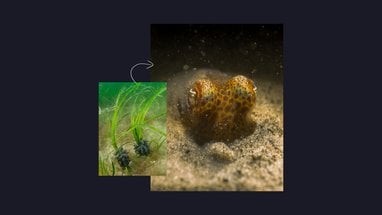
Image credit: Laura McConnell (Seagrass) and Jon Bunker (Cuttlefish)
Connecting habitats and communities
Our work to support key hero species is in partnership with communities along the Atlantic Coast. In Scotland, we’ll create spatting ponds with community partners to safely raise baby oysters (called spat). We’ll work to revive traditional centuries-old methods of oyster cultivation and pioneer new ways to restore oyster populations, such as developing small-scale community spatting ponds. Once successful, these methods can be repeated across our coastline, creating a network of small hatcheries which could re-stock large areas of Native oyster habitat.
In Wales, we’re already growing thousands of baby oysters, which will then be raised on the Pembrokeshire coast until they’re ready to live in the ocean. So far, we’ve already moved 60,000 baby oysters into their new home at Tethys oyster farm to be raised until they’re big enough for deployment in the ocean. We're currently monitoring these to gain vital data to better understand how to restore this ecologically fundamental species.
Our first Scottish seagrass enhancement project with community partners the Isle of Eigg Heritage Trust and The Eigg Guiding Co. has already mapped a whopping 8.45 hectares of seagrass previously unsurveyed. Here we have begun trialing seagrass restoration using seagrass seeds with the help of volunteers and members of the community. In West Loch Tarbert community partners Action West Loch have surveyed another whopping 28.5 hectares of seagrass to assess the ongoing health of seagrass beds in the area.
60000
baby oysters growing at Tethys oyster farm
180
+
mature oysters in our spatting ponds
37
hectares of seagrass surveyed
Next steps for the programme
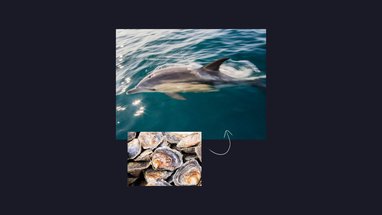
Image credit: Dolphin: Jon Bunker
Seagrass enhancement activities will ramp up in 2027 on the Isle of Eigg, where we initially aim to restore 1.1 hectares of seagrass by extending seagrass beds present, using a combination of seagrass seed dispersal and rhizome transplantation.
In West Loch Tarbert, we'll begin trialing methods of spat collection with partners Action West Loch. We'll also be assessing the viability and suitability of areas for Native oyster regeneration work, alongside further developing small-scale community Native oyster spatting ponds.
Excitingly, we're currently scoping several large scale, multi-species regeneration projects across Wales, with partners, businesses and communities. We're launching our latest project in October 2026, which explores novel methods to regenerate Blue mussel populations.
How you can help
Across one connected Atlantic, the smallest species like native oysters and seagrass will help create healthier, more resilient seas where breathtaking wildlife can thrive.
You can help restore the small, save the spectacular.
Donate today.
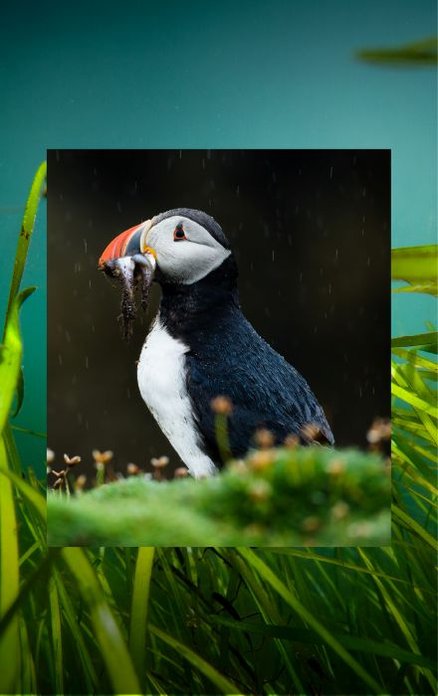
Key regeneration projects
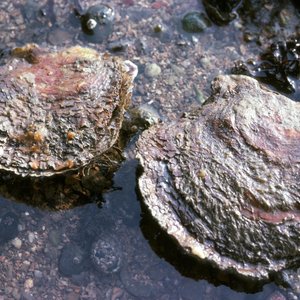
Oysters - humble heroes
Learn all about our work to reintroduce these ocean superheroes.
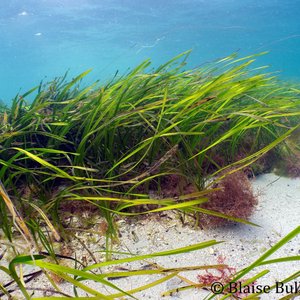
Natur Am Byth!
This is a four-year partnership with nine organisations, led by Natural Resources Wales, to help save threatened species across Wales and connect communities to nature.
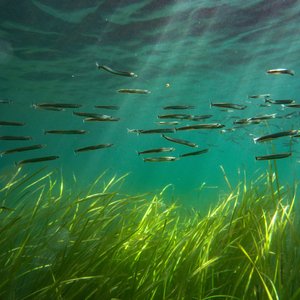
Seagrass restoration
Learn about our projects to restore underwater meadows.
Thanks to our founding partners Fatface & FatFace Foundation