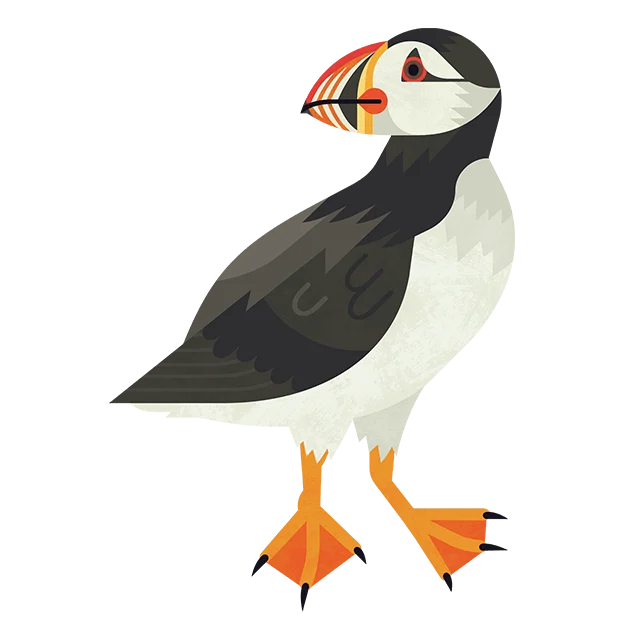

Dover sole
Solea solea
What to check for
Location
Location
Location refers to two things:
- Where the fish population or stock lives, e.g., North Sea, or South Pacific.
- Who is managing the fishery. If it says “All areas”, this means that our scoring for management covers the same area as the fish stock.
English Channel (East): All areas
Technical location
Technical location
A global system is used to split the ocean into different zones, areas, and subdivisions. Each zone is indicated by a number and/or letter. By law, this must be shown on all unprocessed seafood sold in the EU and UK, alongside the fishing method used to catch it. Look for these details on the packet to match your seafood to our ratings.
7d: English Channel (East)
Caught by
Caught by
Net (gill or fixed)
Gillnetting uses a net, suspended in the water, that is anchored to the seabed. It is kept vertical by buoys, to create a wall of netting that fish swim into and become entangled. The mesh size and length of time the nets are left at sea varies, depending on where they are fishing and what they are targeting.
Net (gill or fixed)
Rating summary
Eastern English Channel sole is a critical fail as the biomass continues to be below safe biological levels, with the 2026 SSB estimated at 9,587 tonnes, which is below Blim (11,181 tonnes). There is no precautionary recovery plan in place.
Rating last updated July 2026
How we worked out this Rating
Please note this rating uses our new methodology.
Stock status
The size and health of a fish population, or 'stock', that is being targeted by fishermen is a crucial indicator of whether a fishery is sustainable. If the stock is too small to withstand fishing, it is at risk of crashing. We look at how big the stock is, and how much pressure there is from fishing, to assess this. The target level that many fisheries aim for is 'Maximum Sustainable Yield' - the most fish that can be caught year after year whilst keeping the population at a healthy size.
Stock Status Score: Critical Fail
Eastern English Channel sole is a critical fail as the biomass continues to be below safe biological levels.
Stock assessments are carried out by the International Council for Exploration of the Sea (ICES). This rating is based on the assessment published in 2026.
The stock assessment defines reference points for fishing pressure (F) and biomass (B). For fishing pressure, there is a target to keep F at or below Maximum Sustainable Yield (MSY). For biomass, there is no target. However, there is a trigger point (MSY Btrigger). Below this level, F should be reduced to allow the stock to increase. Because BMSY is not defined, the Good Fish Guide applies its own definition of 1.4 x MSY Btrigger.
Spawning stock biomass (SSB) fluctuated between Blim (11,181 tonnes) and MSY Btrigger (15,654 tonnes) for much of the time series (1982–2018). Although SSB exceeded MSY Btrigger between 2012 and 2014, it has declined continuously since then and has remained below Blim since 2022. In 2026, SSB is estimated at 9,587 tonnes, which is below both MSY Btrigger and Blim. The stock is therefore considered critically depleted, and a critical fail.
Fishing mortality (F) remained above FMSY (0.230) from 1982 until 2022. An ongoing decline in fishing pressure began in 2007, with F falling below Fpa (0.318) in 2015 and below FMSY by 2023. In 2025, fishing mortality was estimated at 0.197, which is below FMSY. This indicates that current fishing pressure is sustainable, but the stock biomass is still below safe biological limits.
ICES advises that when the MSY approach is applied, catches in 2027 should be no more than 163 tonnes. This represents an 87% reduction compared with the previous advice. The reduction is driven by the spawning stock biomass (SSB) falling below Blim, alongside revised recruitment estimates that indicate lower stock biomass than previously assumed. Given the stock's reduced productivity forecasts, ICES recommends a substantial reduction in fishing mortality to support stock recovery. However, even with zero catches in 2027, there remains a high risk that SSB will remain below Blim.
Management
Good management is vital to be sure that fishing doesn't cause fish populations to decline. We look at whether regulations follow the best available scientific advice, how well compliance is monitored and enforced, and whether this is effective in maintaining healthy fish stocks.
Sole in the eastern English Channel is critically depleted and there is no precautionary recovery plan in place. Therefore, this stock receives a critical fail for stock status and is a default red rating.
The sole fishery in the eastern English Channel is managed through Total Allowable Catches (TACs) and a range of technical measures. While the stock is covered by the EU Multiannual Plan (MAP), there is currently no joint management plan agreed between the EU and the UK.
Sole is caught in a mixed fishery with plaice in this area. Fishing mortality for both species is affected by technical management measures, including gear selectivity requirements and mesh size regulations. The current UK technical gear measures are as follows:
- Beam and Otter Trawls: 80mm mesh cod-end, 80mm square mesh panel.
- Demersal Seine: 100mm mesh size.
- Nets: 90mm mesh size.
Sole in the eastern English Channel has been subject to the Landing Obligation (LO) since 2018. The LO was introduced to improve catch reporting, reduce unwanted catches, and encourage more selective fishing practices. However, some exemptions apply to sole in the English Channel. These include a survivability exemption for small coastal demersal and otter trawl fisheries, and a de minimis exemption for gillnet and trammel net fisheries, allowing certain catches, including some undersized sole, to be returned to the sea. A minimum conservation reference size (MCRS) of 24 cm applies throughout the fishery.
Historically, discard rates were relatively low, fluctuating between 3% and 10% of total catches between 1982 and 2018. Since the introduction of the LO, however, discard rates have increased substantially, reaching 30% in 2024 and 25% in 2025.
France, Belgium and the UK are the principal participants in the fishery and, in 2025, accounted for approximately 45%, 40% and 10% of catches, respectively. In response to declining stock biomass, all three countries have implemented measures aimed at improving selectivity and protecting juvenile fish. In France, the MCRS for French vessels was increased to 25 cm before reverting to 24 cm in February 2025. France has also strengthened protection of nursery areas and expanded spatial closures within those areas. Since 2015, Belgian beam trawlers have used a modified gear design incorporating a 120 mm mesh tunnel, which reduced catches of undersized sole by around 40%, though catches of marketable sole were also reduced by about 12%. In the UK, beam trawlers commonly use mesh sizes larger than the statutory minimum to reduce discards and avoid wasting quota.
The stock is managed through a TAC system. Between 2020 and 2026, TACs were set in line with, or below, ICES catch advice. Total catches remained below the TAC from 2020 to 2023, with TAC uptake ranging from 59% to 86%. However, catches exceeded both the TAC and catch advice in 2024 and 2025, reaching 105% and 104% of the TAC, respectively.
Eastern English Channel sole is within a mixed fishery for the area. ICES notes that, under current fishing patterns, it is not possible to simultaneously achieve all single stock catch advice within the Greater North Sea demersal fishery, primarily due to the zero-catch advice on cod making it a choke species. Therefore, choke species are largely overlooked. However, interactions between sole and cod are considered limited, as fisheries targeting sole generally record low cod landings.
Monitoring, control and surveillance of UK fisheries are delivered through licensing, vessel tracking, statutory reporting, observer coverage, inspections and other monitoring systems. All commercial fishing vessels must hold a valid UK fishing licence to operate in UK waters, although exemptions may apply to some unpowered vessels under 10 metres. Depending on the area, target species and activity, additional permits or authorisations may also be required.
Vessel tracking requirements vary by vessel size, area and administration through Vessel Monitoring Systems (VMS) and, where applicable, inshore VMS (iVMS).
- Vessels 12 m and over must report their position every two hours via VMS.
- Vessels under 12 m report their position continuously where iVMS applies, or may operate full VMS where required by licence conditions or when fishing offshore.
Reporting of fishing activity, catches, landings, discards and port movements is mandatory, with logbooks supporting traceability:
- Vessels 12 m and over submit electronic logbooks under Council Regulation 1224/2009.
- Vessels 10–12 m (and under 10 m Producer Organisation vessels) use paper logbooks, updated daily and submitted within 48 hours of landing.
- Non-PO vessels under 10 m are generally exempt unless required by licence conditions.
UK vessels must also carry fishery observers when directed, providing independent verification of activity and catch. Remote Electronic Monitoring (REM), using cameras, sensors and positional data, is being increasingly deployed to improve data quality and support enforcement. Its rollout is supported by the Fisheries Act 2020 and the Joint Fisheries Statement.
Together, these measures help prevent illegal, unreported and unregulated (IUU) fishing through vessel licensing, catch documentation, positional monitoring, statutory reporting and compliance checks. Enforcement action may include financial penalties, prosecution, licence suspension or other sanctions. The UK has committed to reducing IUU fishing and maintains a blacklist of vessels involved in such activities. This rating reflects full compliance with UK monitoring, control and surveillance requirements.
Similar monitoring, control and surveillance requirements apply to EU vessels under the EU Fisheries Control Regulation, including vessel tracking, electronic catch reporting, landing declarations, inspections and traceability requirements. The revised Regulation entered into force in January 2024 and introduces a phased requirement for REM with onboard cameras on EU vessels over 18 m identified as high risk for Landing Obligation non-compliance, alongside wider increases in digital reporting and traceability. Implementation and enforcement are undertaken by individual Member States, so observer coverage, inspection activity, enforcement effort and REM deployment can vary between countries and fisheries.
The Marine Conservation Society views Remote Electronic Monitoring (REM) with cameras as one of the most cost-effective tools for providing reliable fisheries data and aiding informed management decisions. Fully monitored fisheries enhance collaboration, data accuracy, stock recovery, and reduce impacts on marine wildlife and habitats. However, the full potential of REM may only be achieved when it tracks fishing location and documents catch and bycatch, particularly where vulnerable species and habitats are at risk.
The Fisheries Act (2020) requires the development of Fisheries Management Plans (FMPs) (replacing EU Multi-Annual Plans) in the UK. 43 FMPs have been proposed and are at various stages of development and implementation, these should all be published by the end of 2028. FMPs have the potential to be very important tools for managing UK fisheries, although data limitations may delay them for some stocks. It is also essential the UK governments define and adopt a standardised approach or model across the four nations to a universally defined FMP design, to ensure the consistence, quality and coherence of all the proposal FMPs.
The Marine Conservation Society is keen to see publicly available Fishery Management Plans for all commercially exploited stocks, especially where stocks are depleted, that include:
- An overview of the fishery including current stock status, spatial coverage, current fishing methods and impacts
- Targets for fishing pressure and biomass, and additional management when those targets are not being met, based on the best scientific evidence
- Timeframes for stock recovery
- Improved data collection, transparency, and accountability, supported by technologies such as Remote Electronic Monitoring (REM)
- Consideration of wider environmental impacts of the fishery, including habitat impacts and minimising bycatch
- Stakeholder engagement
A Southern North Sea and Eastern Channel mixed flatfish FMP has been proposed, coordinated by Defra that incorporates this stock. At the time of writing, it is too soon to know whether proposed management measures will be effective in managing the stock. For more information about this FMP and expected progress and timelines, see [https://www.gov.uk/government/collections/fisheries-management-plans#published-fmps].
Capture method
Environmental impacts of fishing vary hugely, depending on the method used and where it's happening. We look at whether the fishing gear being used could have an effect on seabed habitats, and if so, how severe might this be. We also review whether it catches any other species by accident (bycatch), and what effect this might have on those species - especially if they're Endangered, Threatened, or Protected.
This rating is a critical fail. Although fixed nets have relatively low impacts on benthic habitats, they can generate high levels of bycatch, including marine mammals, elasmobranchs and seabirds, as well as ETP species such as harbour porpoise. Sole in the eastern English Channel is also caught as part of a mixed demersal fishery that includes the depleted North Sea cod stock. While interactions with cod are thought to be limited, they are not insignificant. Although declining fishing pressure and reduced sole catches over recent decades may have lessened the fishery's current ecosystem impact, it cannot be considered negligible.
The majority of eastern English Channel sole landings come from beam trawls (48%), followed by gillnets and trammel nets (26%) and other bottom trawls (22%), with only 4% taken by other gears.
Fixed nets, consisting of vertical net(s) suspended between a float line and a weighted ground line, have minimal impact on benthic habitats as they cause little disturbance to the seabed. However, they are associated with high levels of bycatch.
There are several Marine Protected Areas (MPAs) within the eastern English Channel that are designated to protect sensitive benthic habitats and vulnerable species. However, static-net fishing remains permitted in most offshore MPAs overlapping this fishery, with the exception of the Dolphin Head Highly Protected Marine Area (HPMA), where all fishing activities are prohibited. In inshore waters, additional restrictions on static-net fisheries may apply through local IFCA byelaws.
Fixed nets are associated with bycatch of marine mammals, seabirds, fish, elasmobranchs and endangered, threatened and protected (ETP) species. Globally, gillnet fisheries are recognised as posing one of the greatest threats to cetaceans, particularly small coastal species. Within the Greater North Sea ecoregion, harbour porpoises are the species most frequently affected, with estimated annual bycatch of 389 individuals. Harbour porpoises are listed by OSPAR as threatened and/or declining in the Greater North Sea and Celtic Seas and are protected under UK and EU legislation, which includes requirements to minimise bycatch. Other species commonly caught in fixed nets include grey seals, harbour seals and guillemots. Although these bycatch estimates are not solely associated with the eastern English Channel sole fishery, they demonstrate that static gears remain a significant concern for harbour porpoise.
Sole is harvested as part of a mixed fishery within the Greater North Sea ecoregion, which also includes North Sea cod. The southern cod substock is currently subject to zero-catch advice because spawning stock biomass remains below safe biological limits. Although cod may be taken as bycatch in the eastern English Channel sole fishery, interactions appear limited. Sole landings have declined substantially over the past decade, and cod catches in gillnet fisheries are relatively low (around 10%). As a result, fisheries targeting sole generally record low cod catches, suggesting that the fishery's contribution to cod bycatch and any associated impacts on stock recovery are likely to be limited.
Sole occupy a mid-trophic-level position in the food web, feeding mainly on benthic invertebrates while serving as prey for larger fish and marine mammals. The English Channel ecosystem has undergone substantial change over the past century, reflecting a broader pattern of "fishing down marine food webs". Since the 1920s, higher-trophic-level species such as gadoids and elasmobranchs have declined, while lower-trophic-level invertebrates have become more prominent in landings. Although the loss of top predators can alter food-web structure and ecosystem functioning, landings of sole and other flatfish have remained relatively stable. Furthermore, fishing pressure and catches of eastern English Channel sole have declined since the early 2000s, suggesting that the fishery's broader ecosystem impacts have likely lessened over time, but cannot be considered negligible.
References
Eigaard, O.R., Bastardie, F., Breen, M., Dinesen, G.E., Hintzen, N.T., Laffargue, P., Mortensen, L.O., Nielsen, J.R., Nilsson, H.C., O'Neill, F.G., Polet, H., Reid, D.G., Sala, A., SkOld, M., Smith, C., Sorensen, T.K., Tully, O., Zengin, M., Rijnsdorp, A.D., 2016. Estimating seabed pressure from demersal trawls, seines, and dredges based on gear design and dimensions. ICES Journal of Marine Science, Volume 73, Issue suppl 1. Pages i27-i43. Available at https://academic.oup.com/icesjms/article/73/suppl_1/i27/2573989 [Accessed on 13.07.2026].
Froese, R., Pauly, D. 2026. FishBase. Common sole, Solea solea. Available at: Solea solea, Common sole : fisheries, aquaculture, gamefish, aquarium [Accessed on 13.07.2026].
GOV.UK. 2025. Technical Conservation and Landing Obligation rules and regulations 2025. Available at: Technical Conservation and Landing Obligation rules and regulations 2025 - GOV.UK [Accessed on 13.07.2026].
GOV.UK. 2025. Marine protected areas Stage 3 Consultation. Available at: Marine protected areas Stage 3 Consultation - GOV.UK [Accessed on 13.07.2026].
Hiddink, J., Jennings, S., Sciberras, M., Szostek, C.L., Hughes, K.M., Ellis, N., Rijnsdorp, A.D., McConnaughey, R.A., Mazor, T., Hilborn, R., Collie, J.S., Pitcher, C.R., Amoroso, R.O., Parma, A.M., Suuronen, P. and Kaiser, M.J. 2017. Global analysis of depletion and recovery of seabed biota after bottom trawling disturbance. PNAS. 114:31, pp. 8301-8306. https://doi.org/10.1073/pnas.1618858114.
ICES. 2026. Sole (Solea solea) in Division 7.d (eastern English Channel). In Report of the ICES Advisory Committee, 2026. ICES Advice 2026, sol.27.7d, https://doi.org/10.17895/ices.advice.30932411
ICES. 2026. Working Group on the Assessment of Demersal Stocks in the North Sea and Skagerrak (WGNSSK). ICES Scientific Reports. 08:43. 1183 pp. https://doi.org/10.17895/ices.pub.32676345
ICES. 2025. Greater North Sea ecoregion – fisheries overview In Report of the ICES Advisory Committee, 2025. ICES Advice 2025, section 9.2. https://doi.org/10.17895/ices.advice.30710897
ICES. 2025. Greater North Sea mixed fisheries considerations. In Report of the ICES Advisory Committee, 2025. ICES Advice 2025. https://doi.org/10.17895/ices.advice.30316027
ICES. 2025. Cod in Subarea 4, divisions 6.a and 7.d, and Subdivision 20 (North Sea, West of Scotland, eastern English Channel and Skagerrak). In Report of the ICES Advisory Committee, 2025. ICES Advice 2025, cod.27.46a7d20. https://doi.org/10.17895/ices.advice.27202566
ICES. 2024. Greater North Sea ecoregion – Ecosystem overview. In Report of the ICES Advisory Committee, 2024. ICES Advice 2024, Section 7.1, https://doi.org/10.17895/ices.advice.25714239
Kennelly, S. J. & Broadhurst, M. K., 2021. A review of bycatch reduction in demersal fish trawls. Rev Fish Biol Fisheries 31, 289–318. https://doi.org/10.1007/s11160-021-09644-0.
Kynoch, R., Fryer, R. & Neat, F., 2015. A simple technical measure to reduce bycatch and discard of skates and sharks in mixed-species bottom-trawl fisheries. ICES J Mar Sci,72(6):1861.
Lynam, C.P., Llope, M., Möllmann, C., Helaouët, P., Bayliss-Brown, G.A. and Stenseth, N.C., 2017. Interaction between top-down and bottom-up control in marine food webs. Proceedings of the National Academy of Sciences, 114(8), pp.1952-1957.
Molfese, C., Beare, D. and Hall-Spencer, J.M., 2014. Overfishing and the replacement of demersal finfish by shellfish: an example from the English Channel. PloS one, 9(7), p.e101506.
Pollom, R., Correia, M., Gristina, M., Lazic, T., Louisy, P., Monteiro, N & Woodall, L. 2026. Hippocampus hippocampus. The IUCN Red List of Threatened Species 2026: e.T10069A154843651.
Sharpe, M. & Berggren, P. 2023. Phocoena phocoena (Europe assessment). The IUCN Red List of Threatened Species 2023: e.T17027A219010660.
Silva, F., Ellis, J. & Catchpole, T., 2012. Species composition of skates (Rajidae) in commercial fisheries around the British Isles and their discarding patterns. J Fish Biol., 80:1678–1703.
van Denderen, P. Bolam, S., Hiddink, J.G., Jennings, S., Kenny, A., Rijnsdorp, A., and van Kooten, T., 2015. Similar effects of bottom trawling and natural disturbance on composition and function of benthic communities across habitats. Mar Ecol Prog Ser. 2015;541:31–43.
Sustainable swaps
Learn more about how we calculate our sustainability ratings.
How our ratings work
Add impact to your inbox
Join the movement: get updates on the issues you care about.
We'll email you inspiring stories about the work we're doing to save and recover our oceans, and news about our urgent campaigns for positive change.