

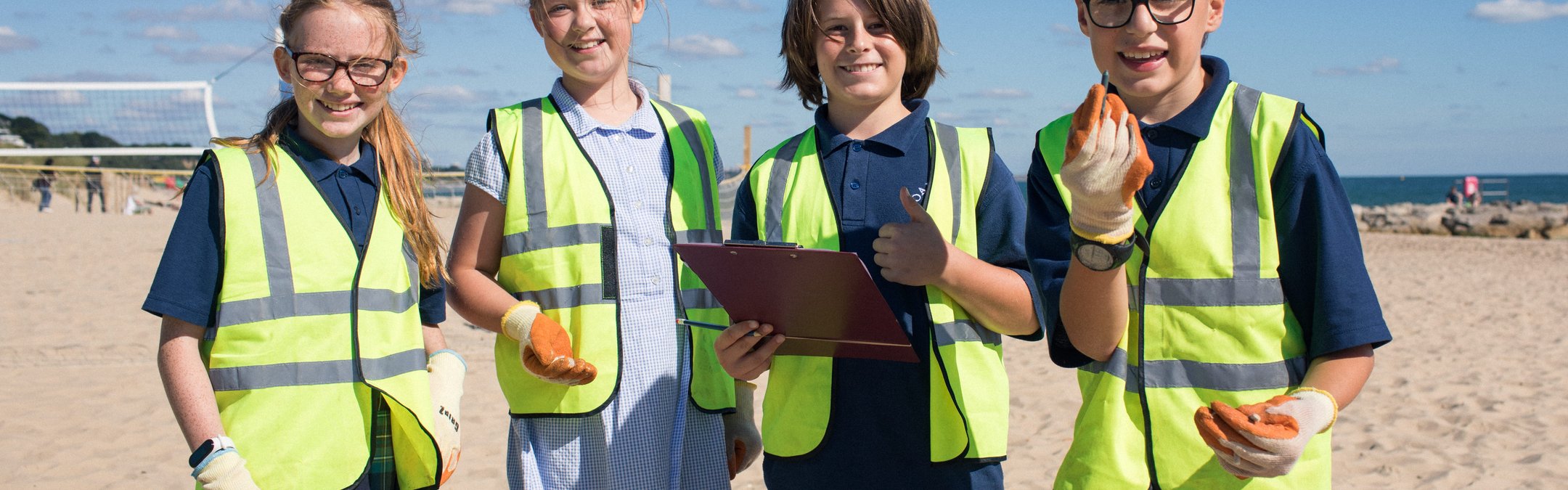
4 school children looking at the camera wearing hi-vis jackets and gloves on. The girl on the far left is holding a litter picker and the boy that is centre right is holding a clipboard. They are on a beach

Beach cleans for schools and groups

Beach cleaning empowers children to do their bit for nature. By learning how their actions impact on our oceans we hope the next generation will be inspired to take up the fight against marine litter.

    Take your learning outside

    Taking part in a beach clean and survey is a great opportunity to connect with the ocean and learn about our environment. Time spent at the coast is great for health and wellbeing too, and the data you collect, by being scientists for the day, is vital in our fight for healthy seas. Marine litter is a problem that we can all play a part in solving, and what better way to start than with a day at the beach?

    69

    %

    of cleans in 2025 recorded plastic bottles

    80

    %

    of litter on our beaches has made it there from land

    How to get involved
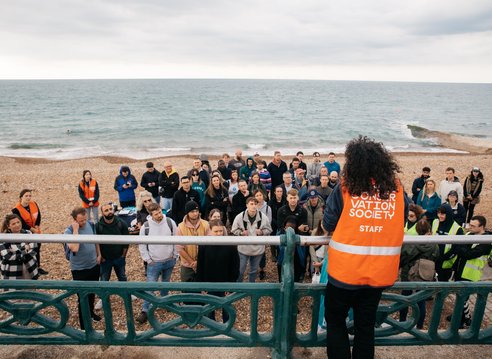
    Please note, young people remain the responsibility of their class teacher or group leader at all times.


    On the day

    Be sure to arrive in good time as there will be an important safety briefing given by the organiser. Young people should be encouraged to listen carefully and adult leaders should reiterate key points as necessary. Identify the survey area and make it clear to your group that they must not leave this area without permission. Please also reiterate the importance of surveying each piece of litter as the data is vital to helping clean up our oceans.

    Groups should work their way across the survey area collecting every man-made litter item that it is safe to pick up. Each item should be recorded on the survey form. The aim is to remove every bit of litter over the 100m stretch of beach. This will then be collected and weighed. Adults should work with groups to help them identify and survey litter accurately. Survey forms and equipment should be handed in at the end.

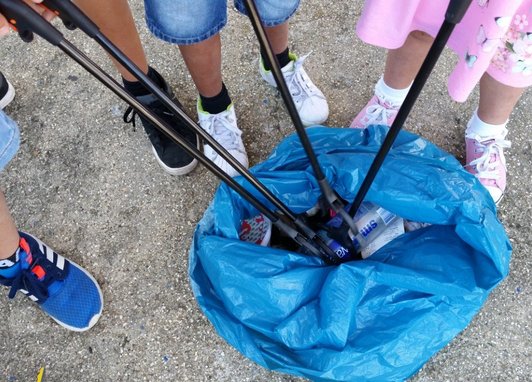
    A group of children are using litterpickers to put rubbish into a blue refuse bag. Only the children's legs and feet can be seen.

    Children litter picking during Great British Beach Clean  |  Image credit: Kate Whitton

    Dive deeper into the data
    You don't need to live near the sea to get involved in beach cleans. Our learning packs for primary and secondary learners are designed to engage young people with the marine litter problem wherever they live.

    Packed with curriculum-linked lesson plans and activity ideas, they help bring the journey of litter from source to sea to life in the classroom.

    Beach clean resource pack for primary

    Beach clean resource pack for secondary

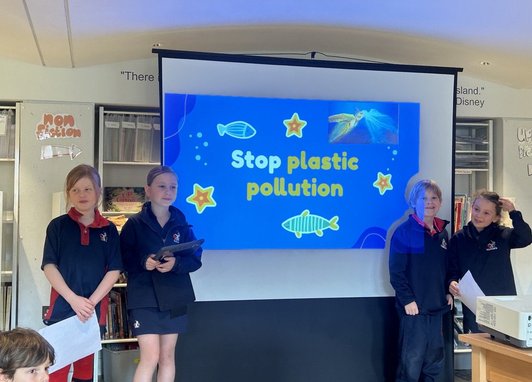
    4 school children standing in front of a classroom. There is a presentation named "Stop Ocean Pollution" on the whiteboard

    Image credit: Anna Stringer

    Other ways to engage your students