Nurdles
What are nurdles?
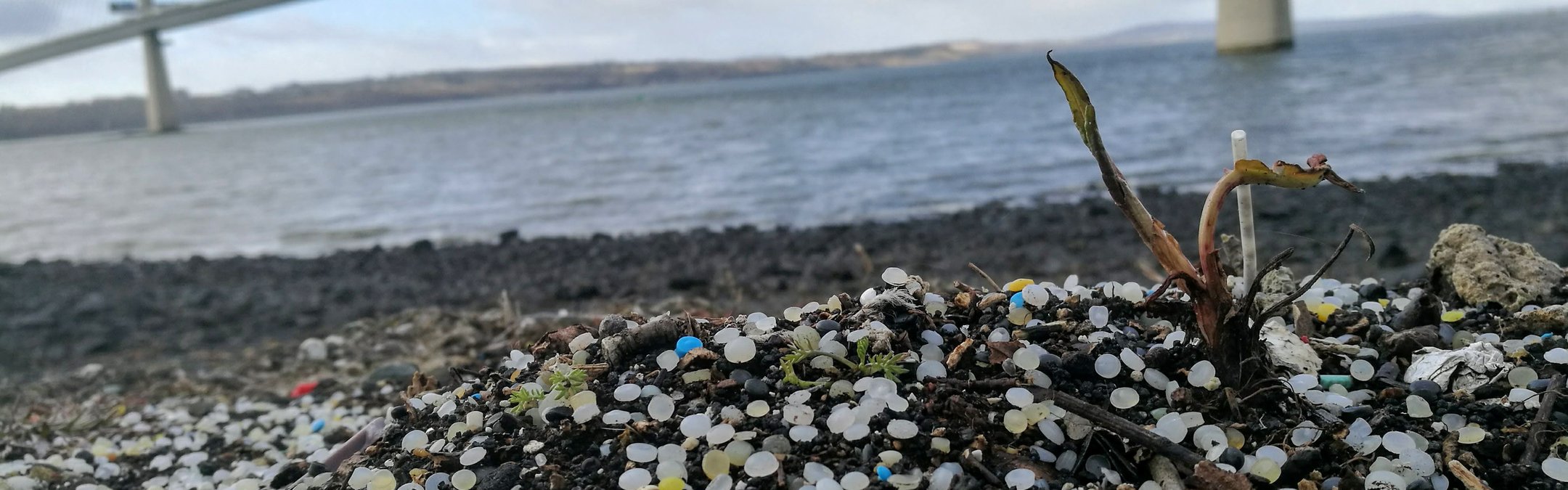
Nurdles are pre-production plastic pellets, usually less than 5mm across and can also be known as mermaid's tears and plastic pellets. They're sometimes confused with biobeads which are used in water filtration systems, which are a different source of microplastic pollution.
Nurdles are referred to as a primary microplastic as they start life as a small plastic pellet. Secondary microplastics come from other plastic products such as bottles, ropes and clothes that have broken down over time into smaller plastic fragments.
Nurdles are melted down and moulded into many different plastic items, ranging from packaging and bottles to car parts and household goods.
Why are nurdles a problem?
Once nurdles enter the environment, they're extremely difficult to recover.
Marine animals can mistake nurdles for food. If eaten, they can cause harm through ingestion and may also carry pollutants that attach to their surface in the marine environment. Like other plastics, nurdles do not simply disappear — they break down into smaller pieces, adding to the growing microplastic burden in our ocean.
How do nurdles reach the sea?
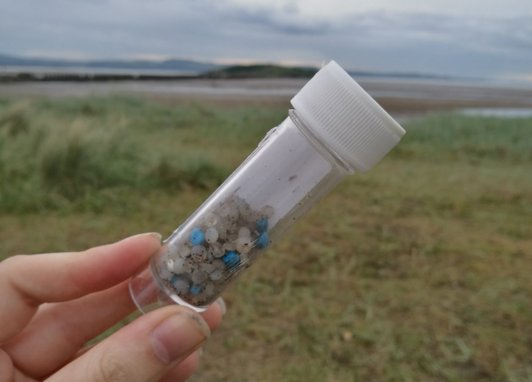
Nurdles in a tube | Image credit: Catherine Gemmell
How you can help
Look out for nurdles when you visit the coast — they're often small, round and lentil-sized. If you're taking part in Beachwatch, you can record your finds on our survey form and this data also gets shared with our friends at Fidra.
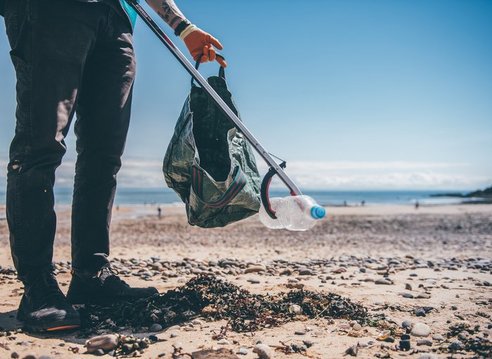
You can also report your findings when you're not taking part in Beachwatch direct on the Fidra website by taking part in the Great Nurdle Hunt.
By recording and reporting nurdles when you find them you provide the vital evidence we need to call for change and stop nurdles getting spilled in the first place.
You might also like...
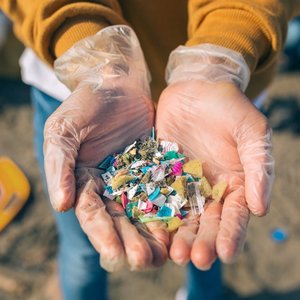
Microplastics
Microplastics are bits of plastic less than 5mm in size. They’ve been found everywhere from beaches to the deepest parts of the ocean. Marine life can accidentally consume these tiny bits of plastic, causing untold damage.
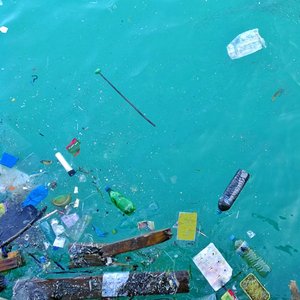
Single use plastics
Our seas are facing climate and biodiversity crises, partly fuelled by the single-use plastic problem. The UK governments need to do more to bring in legislation that bans single-use plastic being produced.
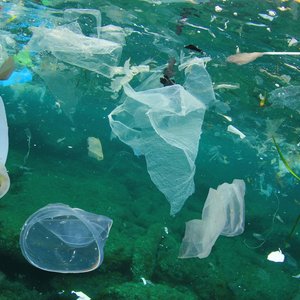
Tackling plastic pollution
Plastic pollution is one of the greatest challenges our ocean faces right now. From single-use plastics to disposable vapes, we influence policies, secure bans and work to introduce ocean-friendly changes to turn the tide on the plastic problem.