

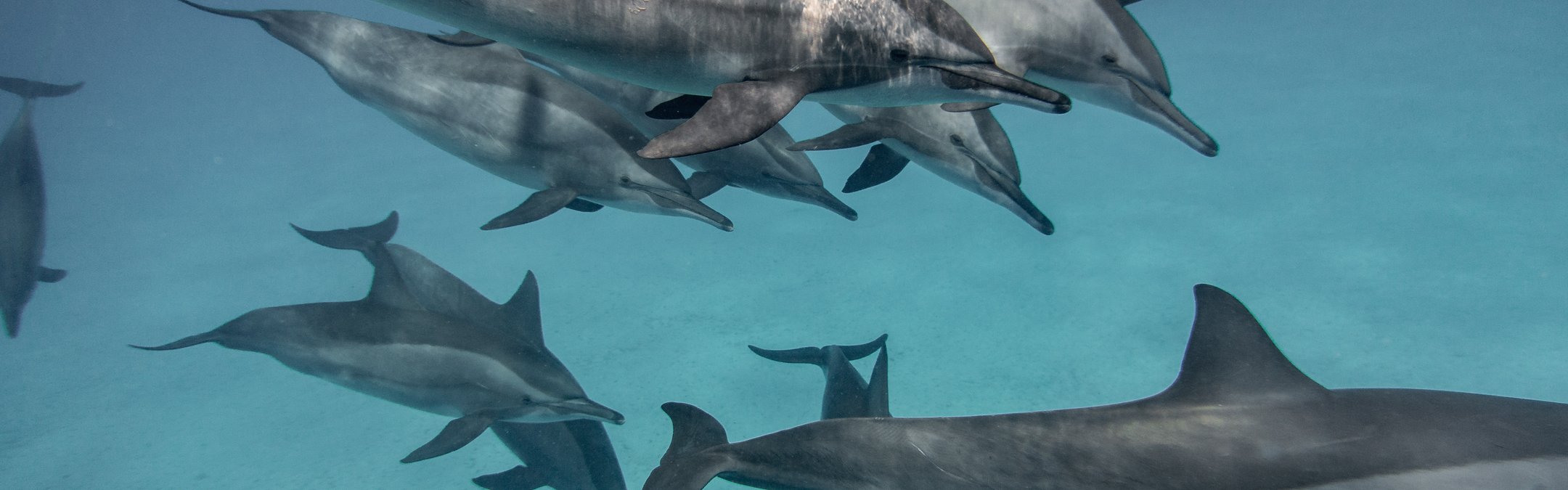
Over a dozen common dolphins swim in a clear blue ocean. They all look like adults and their distinctive two-tone lower grey/upper dark grey colouring can be clearly seen.

You're still on board

Thanks for staying part of the shoal, it's great to hear from you!

Thanks for letting us know you still want to receive ocean updates. We'll keep sending you our monthly round-up, along with fascinating species spotlights, important ocean wins and news about our urgent campaigns for positive change.

What's new?

It's been a while, so here's some exciting bits to get your tentacles stuck into.
Wildlife A-Z

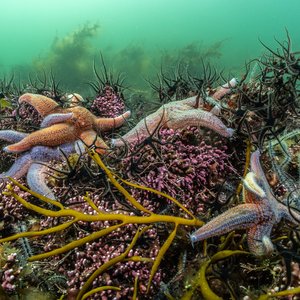
Did you know that the common starfish has eyes on each of its arms but because it has no brain, these eyes only process light and dark as well as movement? Or that the Greenland shark can live for over 500 years? From acorn barnacle and angel shark right through to lion's mane jellyfish and tompot blenny, learn some fascinating marine facts with our new wildlife A-Z. 

Find your favourite wildlife
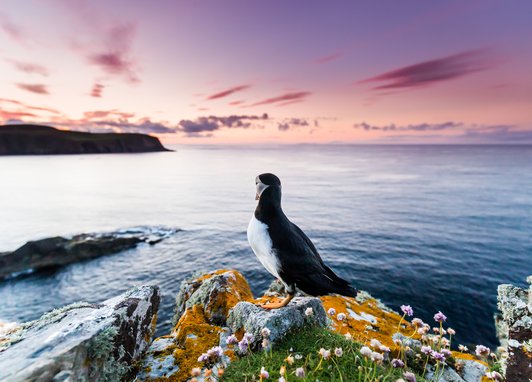
An Atlantic puffin perches a top a cliff on Fair Isle looking out at sea. There are rocky land masses in the distance and the sky is a spectacular pink and purple. The rock the puffin is perched on is surrounded by lichen, grass and wildflowers.

Image credit: Kevin Morgans

Jellyfish ID guides

It's jellyfish season! Jellyfish occur throughout UK seas, with large blooms of most species appearing in the spring and lasting through to autumn. Did you know there are six jellyfish and two jellyfish-like hydrozoan species you're most likely to see on UK beaches? Here are some top tips and identifying features to help you decide which species you've spotted.

Learn how to identify jellyfish
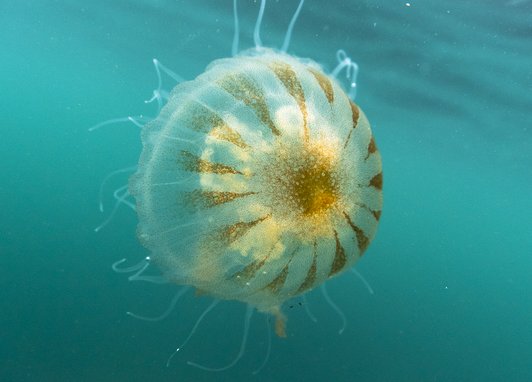
A compass jellyfish swimming near the surface of clear blue water, it's brown compass markings pointing to a brown centre can be clearly seen on its bell.

Image credit: Theo Vickers

Beach cleans

Whether you’re joining a local clean-up or organising your own event, beach cleaning helps protect our ocean and the wildlife that depends on it. A Marine Conservation Society beach clean is different than others because we ask our volunteers to note down all the items they find in a 100m stretch of beach. Every lolly stick, lost toy or piece of plastic - we record it. This data is hugely important as it helps us track litter back to source, and enables us to campaign for change.

Find a beach clean near you
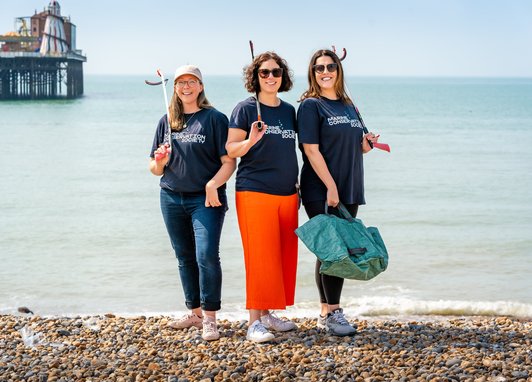
Marine Conservation Society's partnerships team posing together on a pebble beach

Image credit: Rose Bainbridge

A reminder about us...