Fight climate change
Getting started
This action area is all about exploring the connection between the ocean and climate change, and how taking small steps to reduce our impact can make a big difference to our blue planet.
Whether it's launching a school-wide energy reduction campaign, investigating sustainable travel options or raising awareness through art and storytelling, your pupils will be inspired to think globally and act locally.
Ocean Literacy Quiz
The first step in your journey is for your pupils to individually complete our Ocean Literacy Quiz. The quiz is designed to give us a snapshot of your pupils' current ocean knowledge and is a great way to track how far they've come by the end of the award.
Achieving your award
To become an official Ocean-Friendly School, your group will need to complete the two required actions in each step and show us what you've achieved by submitting evidence.
On this page, you’ll find everything you need: step-by-step activities, downloadable resources and creative ideas to bring ocean learning to life in your classroom.
When you're ready to submit your evidence, simply use our online form. Don’t forget to include photos, videos, or documents that showcase your pupils’ amazing work!
Got any questions? Get in touch at [email protected]
Step 1: Explore
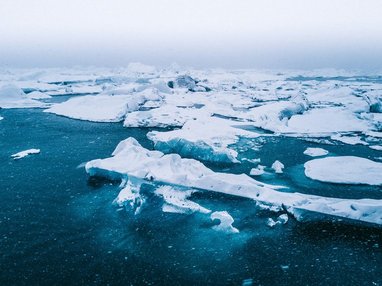
Ice caps in the Arctic Ocean | Image credit: Willian Justen de Vasconcellos
Actions to take
Further learning
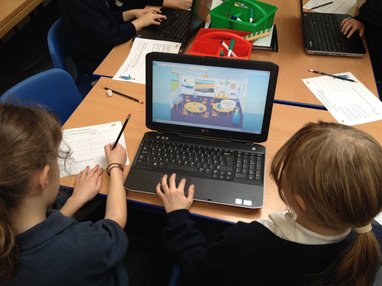
Primary school students learning about the ocean on a laptop | Image credit: Jenny Griffiths
Actions
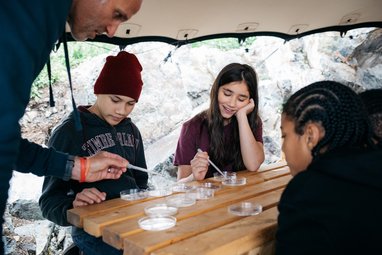
Young adults taking part in plankton sampling | Image credit: Billy Barraclough
Actions
Hints and tips for taking action:
- Top Tips for behaviour-change campaigns
- Top Tips for contacting businesses
- Top Tips for advertising campaigns
- Top Tips for contacting politicians
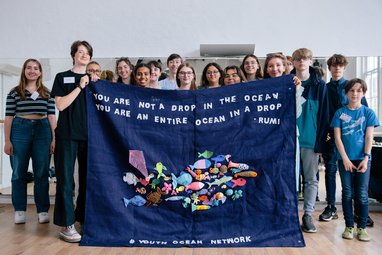
Youth ocean network world ocean day artwork | Image credit: Sudheha Amerasinghe
Actions
Further actions
Check out more free teaching resources
Primary school resources
Teach your primary pupils about the ocean with resources linked to UK curricular and the UN's Sustainable Development Goals.
Secondary school resources
Teach core curriculum topics to your class through ocean exploration. Our lesson plans are activity focused and have been designed for students aged 14-16
Activities
If you're looking for ocean-themed fun for the kids, then you're in the right place! Here you'll find games, activities and fun for all the family.