How our Good Fish Guide ratings work
What do our ratings mean?
Good Fish Guide ratings use a scale from 1 to 5, showing the level of sustainability associated with each seafood source.
1 - Best Choice
One of the most sustainable seafood options.
2 - Good Choice
A sustainable choice with relatively low environmental concerns.
3 - OK
There are some sustainability concerns to be aware of.
4 - Not Recommended
There are significant sustainability concerns and improvements are needed.
5 - Fish to Avoid
There are serious sustainability concerns and we recommend avoiding this seafood.
The way we calculate a rating depends on whether the seafood is wild-caught or farmed.
Keeping our ratings up-to-date
Seafood sustainability can change over time.
Fish populations change, new scientific advice is published, management measures are updated and new information about environmental impacts becomes available.
We regularly review Good Fish Guide ratings so they reflect the best available evidence.
We also consult on ratings, giving fisheries, producers, scientists, businesses and other stakeholders an opportunity to provide relevant evidence before ratings are finalised.
If you have information that could help inform our ratings, or have a question about a rating, please email us at [email protected]
How we rate wild-caught seafood
Stock or species status
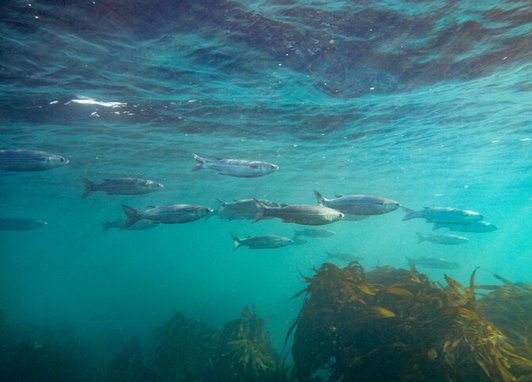
We look at the health of the population being fished and whether fishing is taking place at a sustainable level.
Where scientific stock assessments are available, we consider the size of the stock and the level of fishing pressure. This helps us understand whether the population is healthy and whether fish are being removed faster than the stock can replace them.
Where a full stock assessment is not available, we use the best available evidence to assess the status of the stock or species.
Management
Good management is essential for keeping fisheries sustainable over the long term.
We look at how the target stock is managed, whether catch limits and other controls are aligned with scientific advice, and how effectively fishing activity is monitored and enforced.
This helps us understand not only what management measures are in place, but whether they are appropriate and working effectively.
Capture method and ecological effects
Fishing can affect more than just the species being targeted. We also consider measures that are in place to reduce these impacts.
We assess the potential impacts of the capture method on:
- habitats
- non-target species and bycatch
- vulnerable, endangered, threatened and protected species
- the wider ecosystem and food web
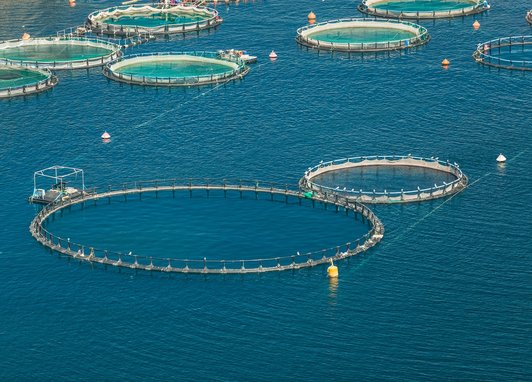
How we rate farmed seafood
Feed
Most farmed fish need to be fed, although this does not apply to species such as shellfish.
We look at where feed ingredients come from, how sustainably they are produced and how efficiently they are used.
This can include ingredients made from wild-caught fish, as well as ingredients such as soy and palm oil.
Environmental impacts and interactions
The environmental impacts of aquaculture vary depending on the species, farming system and location.
We consider issues such as disease and parasites, chemical use, escapes, pollution, freshwater use and interactions with surrounding habitats and wildlife.
The factors we assess depend on what is most relevant to each farming system.
Fish welfare
We consider the standards, regulations and farming practices in place to protect the health and welfare of farmed fish.
Regulation and management
Strong regulation and effective management are important for reducing the environmental impacts of aquaculture.
We look at how well the industry is regulated, what environmental standards are in place and whether these are effectively enforced.
Certifications and improvement projects
Independent certification can provide useful information about how a fishery or farming system is managed.
Where relevant, certification is considered within our assessments. This means seafood from the same species, area and capture method may sometimes receive different Good Fish Guide ratings depending on whether it comes from a certified source.
Fishery Improvement Projects, known as FIPs, and Aquaculture Improvement Projects, known as AIPs, bring together fishers, producers, businesses and other stakeholders to address identified sustainability issues.
Participation in an improvement project does not automatically mean seafood is sustainable. Good Fish Guide ratings reflect the sustainability of the fishery or farming system based on the evidence available at the time of assessment.
Liability disclaimer
Good Fish Guide ratings reflect the Marine Conservation Society's assessment of the environmental sustainability of different wild-caught and farmed seafood sources.
Ratings are produced using our published methodologies and draw on the best available scientific evidence and other relevant information.
We make every effort to keep ratings accurate and up to date, but accept no liability for errors or for damages resulting from the use of the ratings.