

Why nature needs independent, strong regulators
1 minute read
Today, we have heard that the UK Government is considering abolishing two of England’s biggest environmental regulators – Natural England and the Environment Agency.
People and planet rely on nature to survive and thrive. Healthy and resilient ecosystems are a prerequisite for a healthy, resilient economy, making it vital to have effective environmental management and planning. Yet, once again, it seems that environmental regulations – and regulators – may be under attack.
Today, we have heard that the UK Government is considering abolishing two of England’s biggest environmental regulators – Natural England and the Environment Agency - in an attempt to give politicians greater control over what gets built and where.
Louise Haigh MP, First Secretary of State & Minister for the Cabinet Office, said, “As part of rewiring the state, we will reform arm’s length bodies to increase public control. We will look at each of their functions and pose the challenge: what should be devolved, what can be dissolved, and what can be delivered by departments?
"We’ve already begun that process with the Environment Agency, Natural England, Ofwat and the Drinking Water Inspectorate."
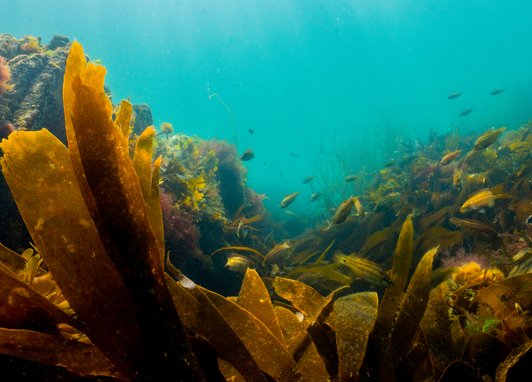
Cornwall underwater | Image credit: Sam Mansfield
Regulators are experts who do not depend on short political election cycles. This means, as long as they are properly set up, funded and held accountable, they can provide advice that is independent, and deliver expert decisions with the long-term public interest in mind. They can provide holistic advice that is able to recognise the fundamental importance of a healthy environment for a resilient and prosperous economy.
Ministers and government departments cannot provide the depth of subject expertise and understanding needed, especially because they are much more likely to take a short-term approach.
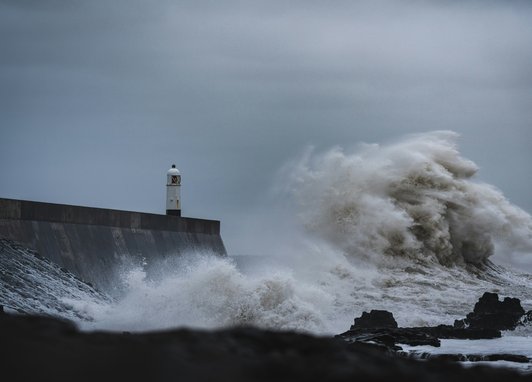
Storm and waves hitting pier in Porthcawl, Wales | Image credit: Marcus Woodbridge