

Positive ocean news: December '25 edition
3 minute read
We’re ending the year on a high with our final round up of positive ocean news stories. From populations rebounding to protections for sharks and ground-breaking discoveries, there’s plenty to be optimistic about.
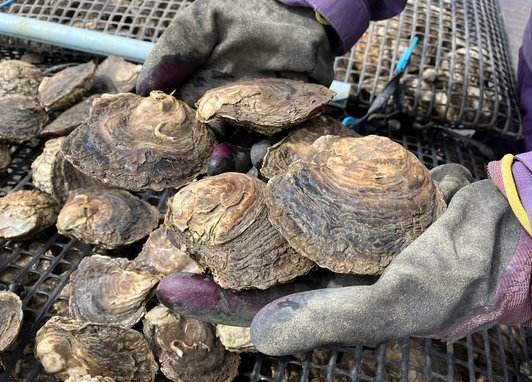
46,780 restored oysters thriving in Scottish estruary
New research has revealed that the native (European flat) oysters reintroduced to Scotland’s Firth of Forth have a survival rate of around 88%, with many also growing faster than expected.
Oceanic whitetip shark granted full international trade protection
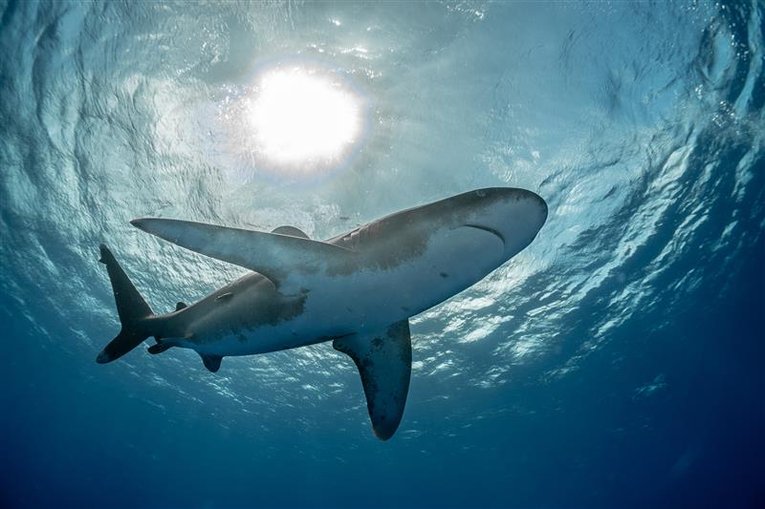
The critically endangered oceanic whitetip shark has received the highest level of international protection, in one of the most significant advances for shark conservation in the past 50 years.
The decision was made at the CITES (the Convention on International Trade in Endangered Species of Wild Fauna and Flora) CoP20, amid suffering pelagic shark populations, which have dropped more than 70% in 50 years, and the near extinction of oceanic whitetips due to the fin trade.
The move offers hope for the future of the species, and for the more than 70 others which will receive protections following the package of proposals passed at the convention.
Luke Warwick, Director of Shark and Ray Conservation at the Wildlife Conservation Society, said: “Sharks and rays are the second most imperilled group of species on the planet, and many are running out of time. These animals are vital to the health and balance of our oceans… Today’s votes give them a real chance at recovery. The world chose action over extinction.”
Read more on the Oceanographic website
Norway bans deep-sea mining until 2029
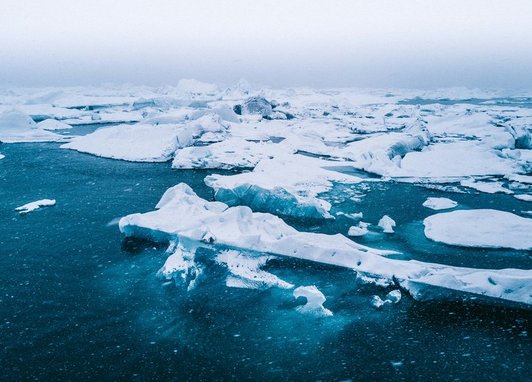
Deep-sea mining is a destructive practice in which rare metals and minerals are extracted from the ocean floor, damaging biodiversity and habitats and causing extreme disruption to marine life through noise pollution.
Norway’s decision is therefore a positive step for protecting the ocean and its vulnerable ecosystems, particularly as those in the Arctic are increasingly facing climate pressures.
Read more on the Geographical website
Northern bottlenose whales show promising rebound
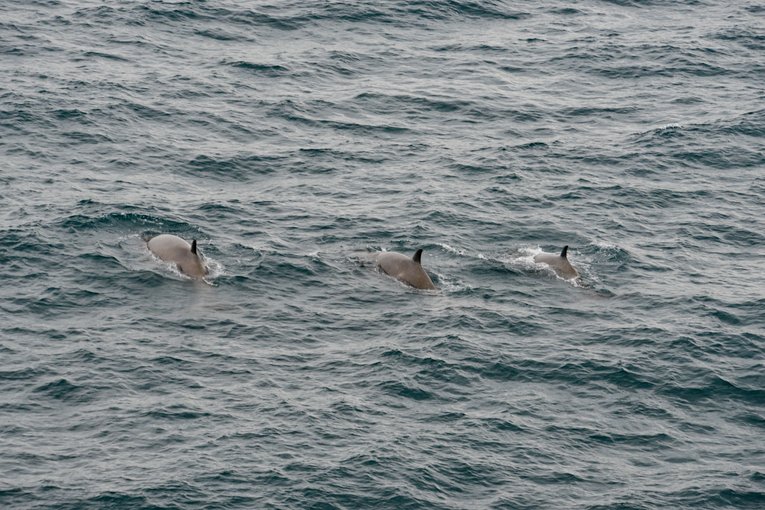
New evidence from ‘the Gully’, a Marine Protected Area (MPA) off the Nova Scotian coast in Canada, offers hope for northern bottlenose whale populations.
The species was historically targeted in commercial whaling, bringing their numbers close to collapse: by the mid-2000s, only around 130 whales remained in the Gully. Even with protections against whaling, their low reproductive rates and the threat of fishing-gear entanglement and boat strikes meant their numbers struggle to recover.
However, after the Gully, which is home to a group of northern bottlenose whales known as the Scotian Shelf population, was established as an MPA in 2004, the whale population has begun to rebound. By 2023, the population grew by almost two-thirds and is now higher than it was almost 50 years ago.
The findings highlight the importance and effectiveness of protecting critical habitats and offer hope for the future of the playful species.
Read more on the Mongabay website
New sea sponge order suggests animals emerged 100 million years earlier than believed
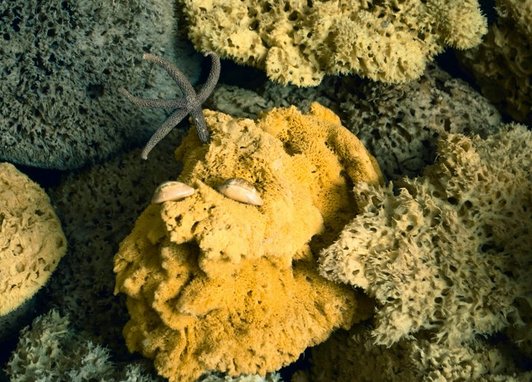
Although sponges are known to be one of the oldest known animal groups, these latest findings suggest they’re even older than believed. Vilesida produce a unique type of sterol, which is a part of the cell membrane. These sterols exactly match fossilised steroids found in Ediacaran rocks from more than 600 million years ago, which are believed to be the oldest known animal biomarkers.
Julio Díaz, the study's lead author, said: "The discovery of this new order of sponges represents a significant advance in our understanding of sponge classification, evolution and marine biodiversity – and of the early history of life on Earth.”
Read more on the Phys.org website
New device allows scientists to identify fish sounds
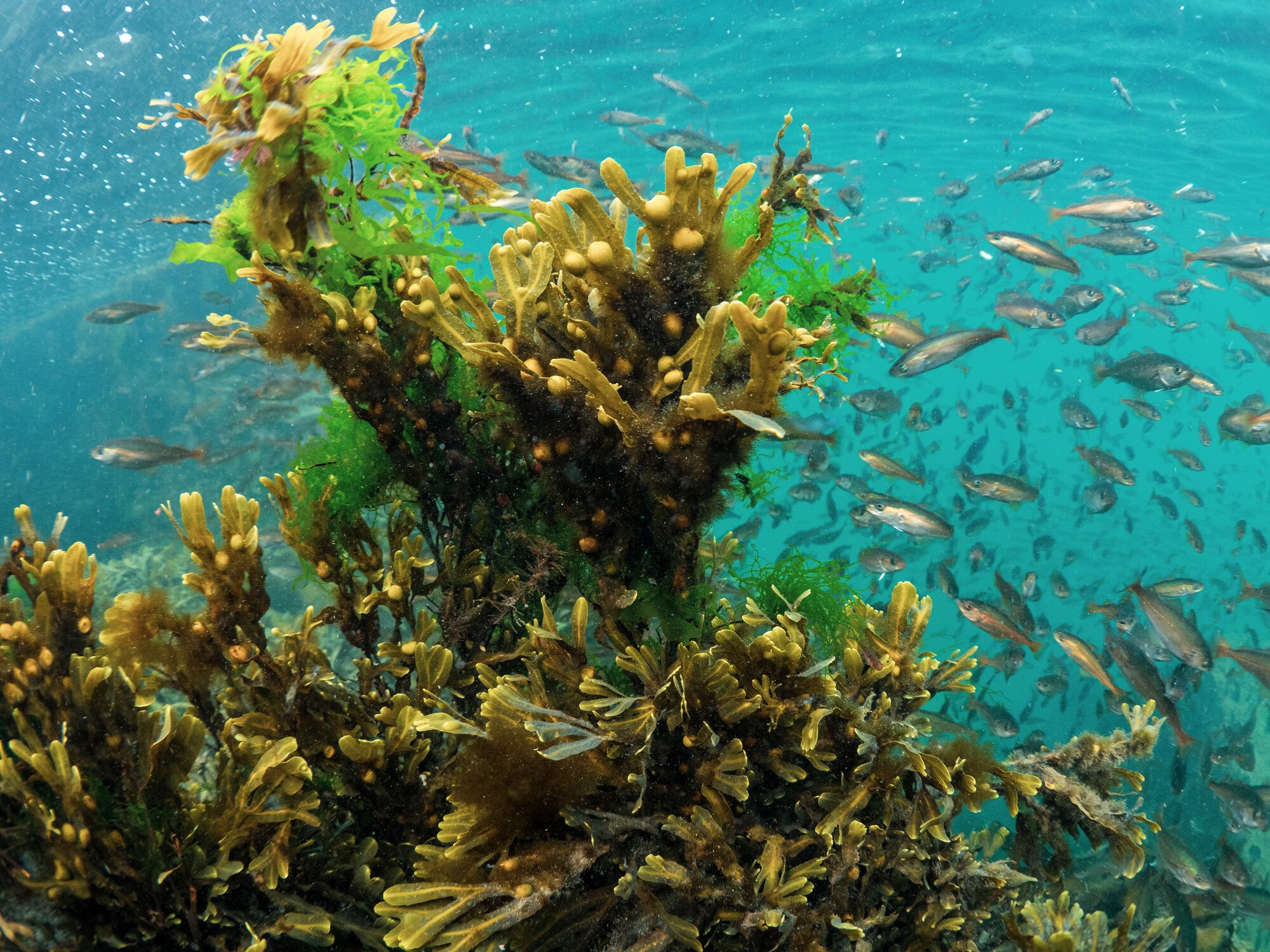
Using a combination of audio and visual recording, scientists have identified the sounds of 46 fish species, helping conservationists to track fish populations and behaviours.
Although it’s thought that 35,000 species of fish make sounds, less than 3% of these were recorded until now. By recording audio and video in all directions, the Underwater Passive Acoustic Camera, or UPAC-360°, enables scientists to identify which fish makes a particular sound. It’s hoped that this will help gain insight into where different species live, how their numbers are changing, when they’re most active, and behaviours that may make them vulnerable to predation.
As the UPAC-360 can only record up to 45 metres deep, the team is already developing versions that can record in deeper, darker waters.
Read more on the Mongabay website
Salmon spawning for first time following river restoration
Atlantic salmon have been recorded spawning in West Cumbria after the area was restored over the summer.