
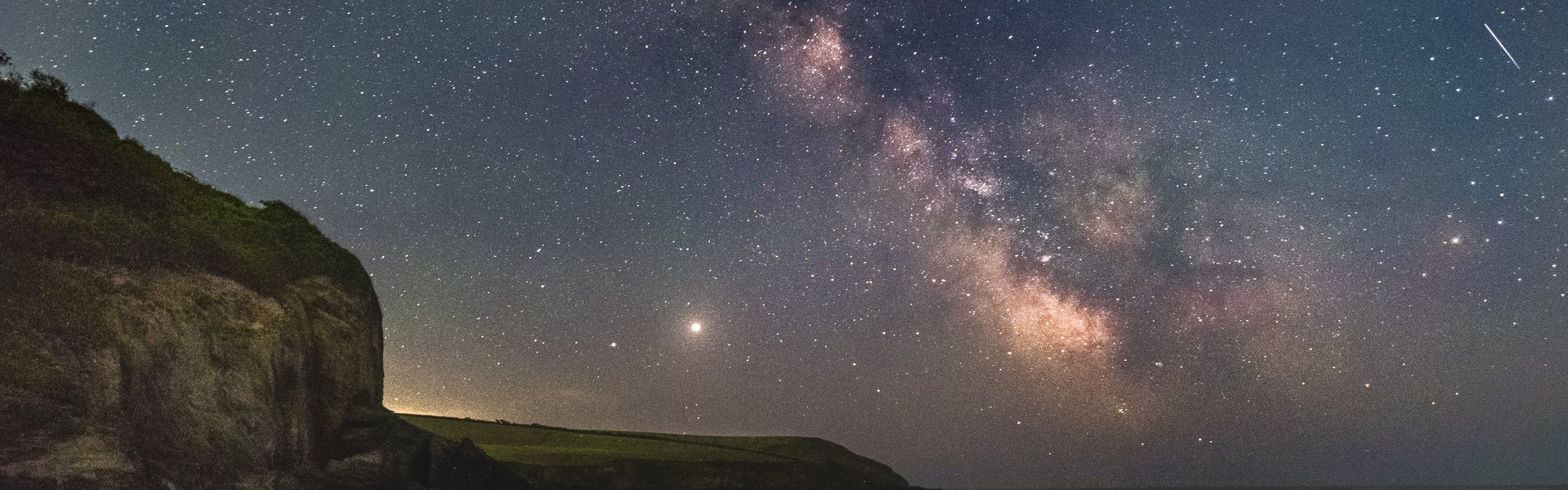
The night sky is shining with stars and the moon. Mothecombe coastline can be seen to the left of the photo, and the watery sand is reflecting the dark sky.

How the moon affects the ocean

1 minute read

We love ocean facts to the moon and back. The moon is undeniably cool, but it also has a surprising influence on our ocean. From tides to turtles, discover how our nearest neighbour shapes life at sea.

How the moon influences the tide
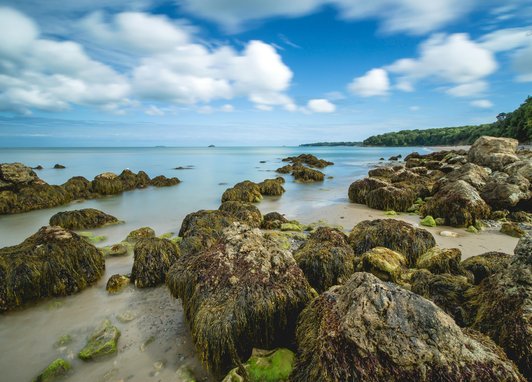
The UK has some of the highest tidal ranges in the world. The Bristol Channel and Severn Estuary, for example, can exceed a tidal range of 12-15 metres.

Tidal ranges are greatest during spring tides, which occur twice each month when the Earth, Sun and Moon are aligned. At the other extreme, tidal range is minimal during neap tides, which occur at the first and third quarters of the Moon, when these planetary bodies are not in alignment. Many organisms use these spring tides, in particular for spawning events, to ensure wider distribution of offspring

a rocky coastline at Priory Bay, Isle of Wight, with moss-covered boulders in the shallow, calm water during the daytime under a blue sky with white clouds. A wooded area lines the right side of the beach.

Image credit: Chris Hodges

Lunar cycles and spawning

Corals, sea mussels, polychaete worms, and some fish are thought to synchronise their reproductive behaviour by the moon, releasing eggs before fertilisation takes place. The synchronisation maximises the probability of an encounter between eggs and sperm.
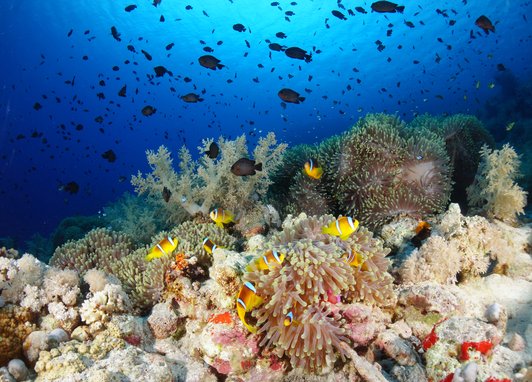
For example, corals have primitive light-sensing cells (photoreceptors) which helps them detect the specific intensity of moonlight during a full moon. They then release millions of gametes (eggs and sperm) at the same time, far too many for predators to prey upon, therefore increasing fertilisation rates. Often spawning can happen during the slack water of a neap tide, as the calmer water supports fertilisation before eggs get swept away by stronger currents.

A school of clownfish swimmign around a colourful reef of coral

Image credit: Cinzia Osele Bismarck

Turtle nesting and the moon
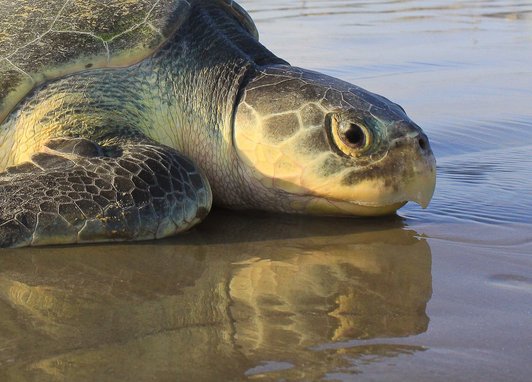
An arribada (arrival) is a mass synchronised turtle nesting event, observed in both the olive ridley and kemp ridley sea turtle. The majority occur during the waning moon phase, leading some to believe lunar cycles trigger the phenomenon.

When emerging out of nests, turtle hatchlings look for light on the lowest horizon, and so the moon's reflection on the sea surface encourages them to head in that direction. However, because of artificial light pollution from coastal infrastructure, hatchlings are often led away from the sea and very often, sadly, to their mortality.

A Kemp's ridley turtle laying on a beach

Image credit: Ron Wooton

Solar eclipse and tides
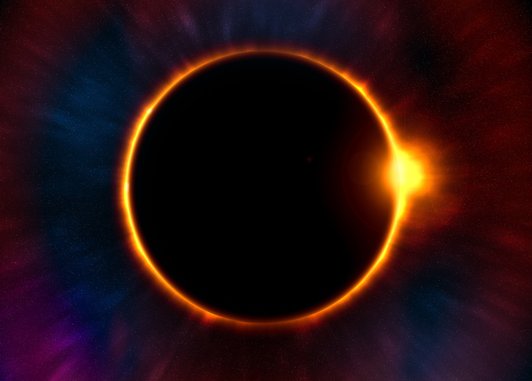
When a solar eclipse occurs, it creates higher and lower tides than normal. However, when the eclipse happens during a new moon (moon between the earth and the sun), it's no different to regular spring tides which happen twice a month, every new moon and full moon). This means the eclipse does impact tides, but no more than we'd see every two weeks anyway. Marine life is well adapted to this, unlike increased ocean temperatures which ocean life struggle to adapt to.

The sun is covered by the moon in a solar eclipse event. a bright orange circular line is glowing behind the moon.

Image credit: AstroGraphix Visuals

Bonus moon and the ocean facts

Moon jellyfish

Moon jellyfish are the most common in UK seas. They're about the size of a dinner plate with a round dome shape and four circular markings in the centre. These are their gonads, the reproductive organs found at the bottom of the stomach.
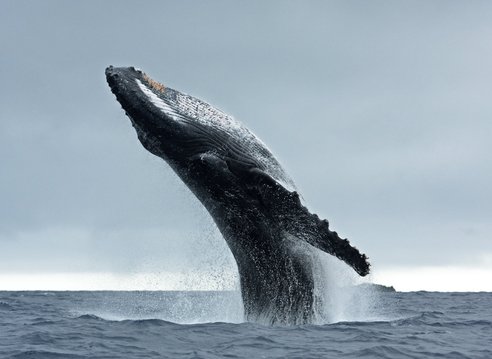
Deep sea vs moon exploration

More people have explored the surface of the moon than the ocean bed!

Marine Conservation Society

04 Aug 2026