

Bluefin tuna: An ocean giant on the rise
2 minute read
As the population of bluefin tuna experiences a heartening resurgence, a new set of challenges are beginning to appear on the horizon.
To see our waters bubbling with shoals of Atlantic bluefin tuna (Thunnus thynnus) is not a new sight in the UK, but one that had been consigned to the history books until relatively recently.
In the 1930s, a world-renowned recreational bluefin tuna fishery in the North Sea drew large numbers of aristocratic fishers to places such as Scarborough and Whitby, until its collapse in the 1950s. By this time, sightings of bluefin tuna had become sporadic, and had all but disappeared from UK waters by the 1990s.
In 2007, when bluefin tuna stocks were close to collapse, the International Commission for the Conservation of Atlantic Tunas (ICCAT) launched a 15-year recovery plan for the species. This was a significant step in the revival of tuna populations.
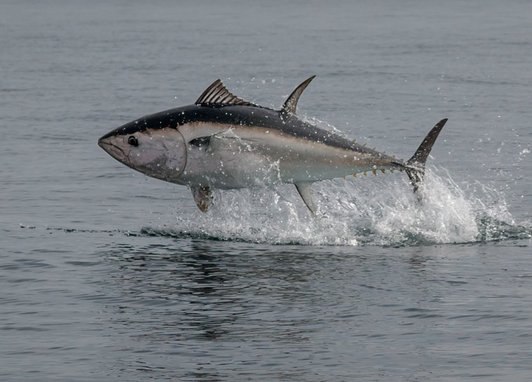
A bluefin tuna leaping out of the water around Torbay, Devon | Image credit: Ray Harrington/Unsplash
Numbers of Atlantic bluefin tuna are increasing year on year, and in 2021 the species was removed from the list of Endangered species on the IUCN Red List and reclassified to a species of Least Concern. It was also removed from our Good Fish Guide red rated Fish to Avoid list and rated amber for the first time.
The recovery of bluefin tuna and its return to UK waters is no doubt a success story to be celebrated, and a positive outcome for a once-depleted stock. However, it’s not yet clear if populations have reached sustainable levels that can withstand increases in commercial fishing pressure.
Within UK waters strict regulations are in place to protect the tuna fishery, and allow it to continue to rebuild. A limited number of vessels are permitted to catch bluefin each year with a total quota of 230 tonnes, which includes 120 tonnes allowed for the commercial fishery in 2026.
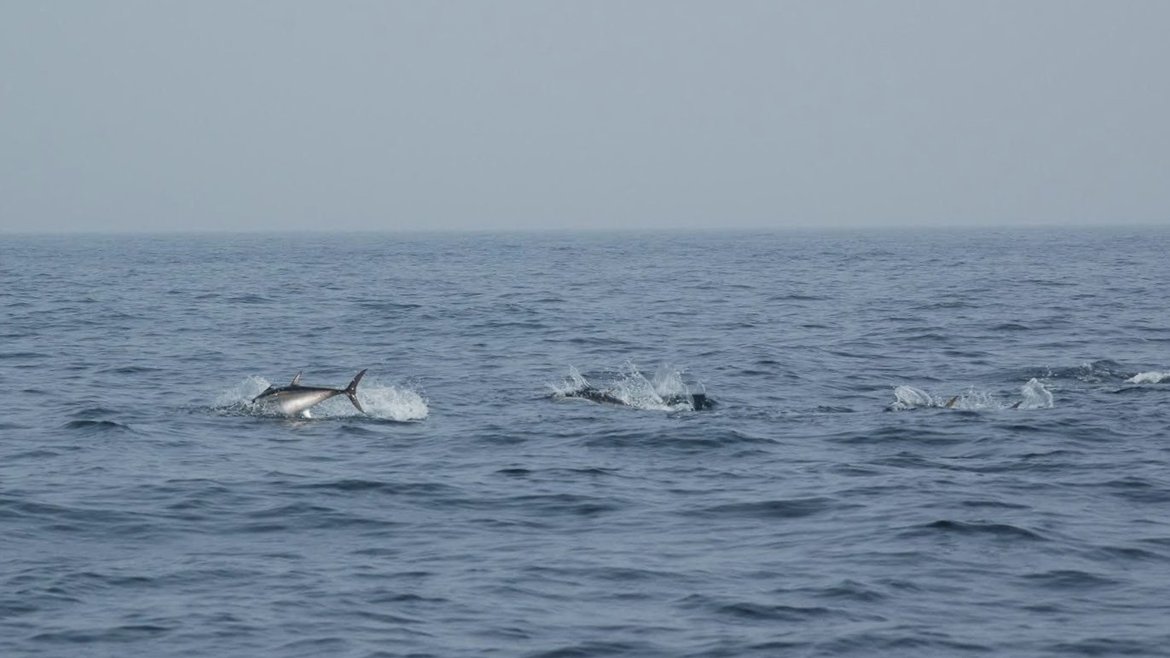
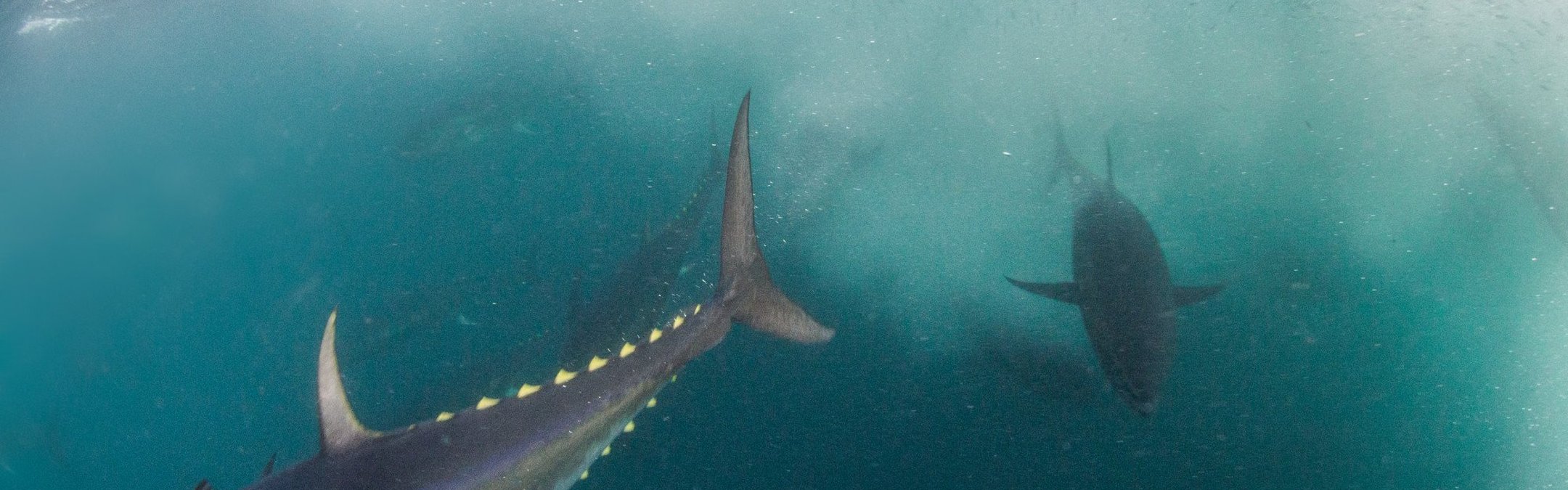
A school of bluefin tuna
Image credit: Lucy Hawkes, University of Exeter
Overfishing leads to a decline in population numbers, but well-managed fisheries see population growth. We must therefore continue to be cautious of the impact of commercial fisheries on populations which have only recently begun to recover and to carefully manage and monitor recreational fisheries that target this iconic species now returning to UK waters.
To ensure bluefin tuna continues to visit the UK and thrives here, we need effective management and careful, tentative steps to prevent unsustainable fishing pressure. Seeing a shoal of bluefin tuna is a truly unforgettable experience and we must do everything we can to support their recovery and not let history repeat itself through another untimely demise.