PLYMFISH
Between 2020-2023 we surveyed fish in Plymouth Sound as part of a new project, PLYMFISH, to better understand fish populations in this well-managed Marine Protected Area.
What is PLYMFISH?
Our team joined a three-year project with our partners, applied Marine Ecosystems Research (aMER) - University of Plymouth with the help of our funders, Princess Yachts.
As part of PLYMFISH, we monitored the effectiveness of Marine Protected Areas, and taking the pressure off seagrass beds with installation of Advanced Mooring Systems in the past decade – all within Plymouth Sound.
With PLYMFISH, we wanted to find out more about which animals are using the diverse marine habitats off Plymouth’s shores. This gave us a picture of the range of habitats and species found in the UK’s first marine park, and more widely in UK seas.
To assess fish populations associated with different habitats and areas off Plymouth’s shores, we used ‘Baited Remote Underwater Videos’ (BRUVs) to collect video footage of animals on the seabed.
BRUVs have become an established technique used to gain an understanding of fish populations in particular habitats or areas at a particular time.
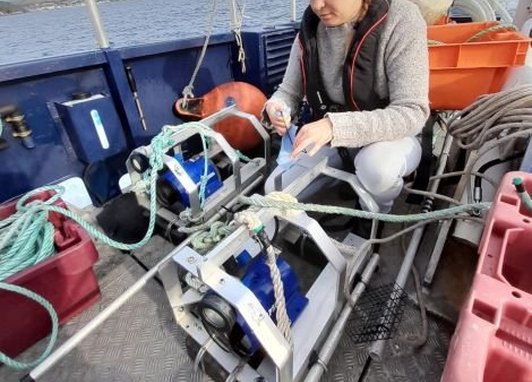
A Marine Conservation Society scientist sets up a BRUV device from a boat deck. | Image credit: Jean-Luc Solandt
What was the footage used for?
These devices have been used in Scottish and English scientific studies to understand species movements in and around areas protected from particular types of fishing and in different habitats.
Understanding how fish use different habitats allows us to make a better case for protecting the seabed and essential fish habitat. This has had the effect of allowing regulators to better protect areas of the sea.
Mapping habitats in Plymouth Sound
We’ve been working in Plymouth Sound for years. We’ve mapped a substantial number of habitats in our collaborations with universities and local citizen scientists through our Seasearch dive programme, and have recently been involved in mapping seabed animals at the Eddystone reef complex 12 miles south. We’ve also recently been surveying seagrass beds in and around Advanced Mooring Systems in Cawsand to the west of the sound.
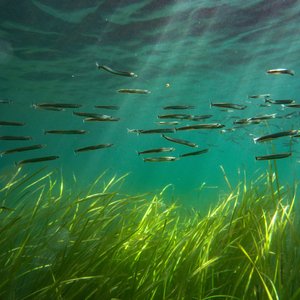
With PLYMFISH, we undertook BRUVs surveys in these habitats – inside and outside seagrass beds, in the far offshore kelp-dominated upper reefs at Eddystone, and within the deeper sediment-dominated areas.
What did we record?
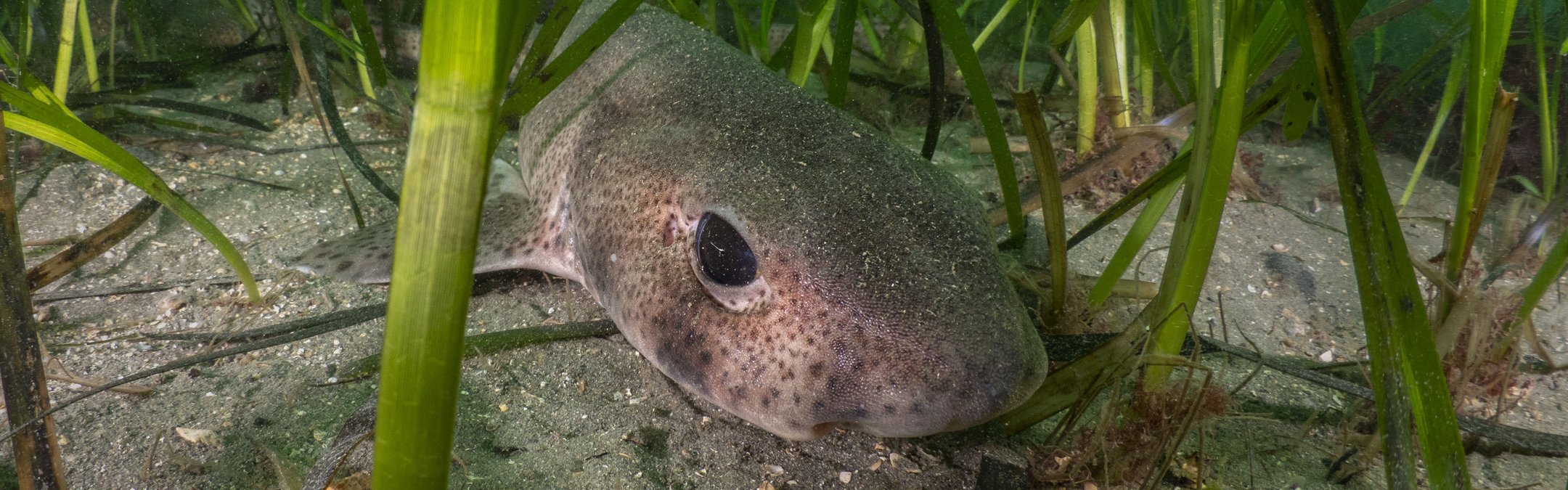
We recorded the marine life – the different species and habitats – that call Plymouth Sound ‘home’. We also expected to find catshark, cuckoo, ballen and goldsinny wrasse, and maybe the odd conger eel and cuttlefish.
We want to know if some habitats are more important than others for certain species. As part of the ReMEDIES project, which is improving the seabed condition of seagrass in inshore sites, and the FISH INTEL project, which tracks the movement of bass and pollack, we know the information from BRUVs at Plymouth will further help us to clearly define habitats of importance to fish.
Local importance
Now that Plymouth has been declared as the UK's first ‘marine park’, we believe our Ocean Recovery projects can help understand the importance of different areas and habitats within the Sound for our spectacular UK wildlife.
We would like to thank our partners, The University of Plymouth, and funders, Princess Yachts.