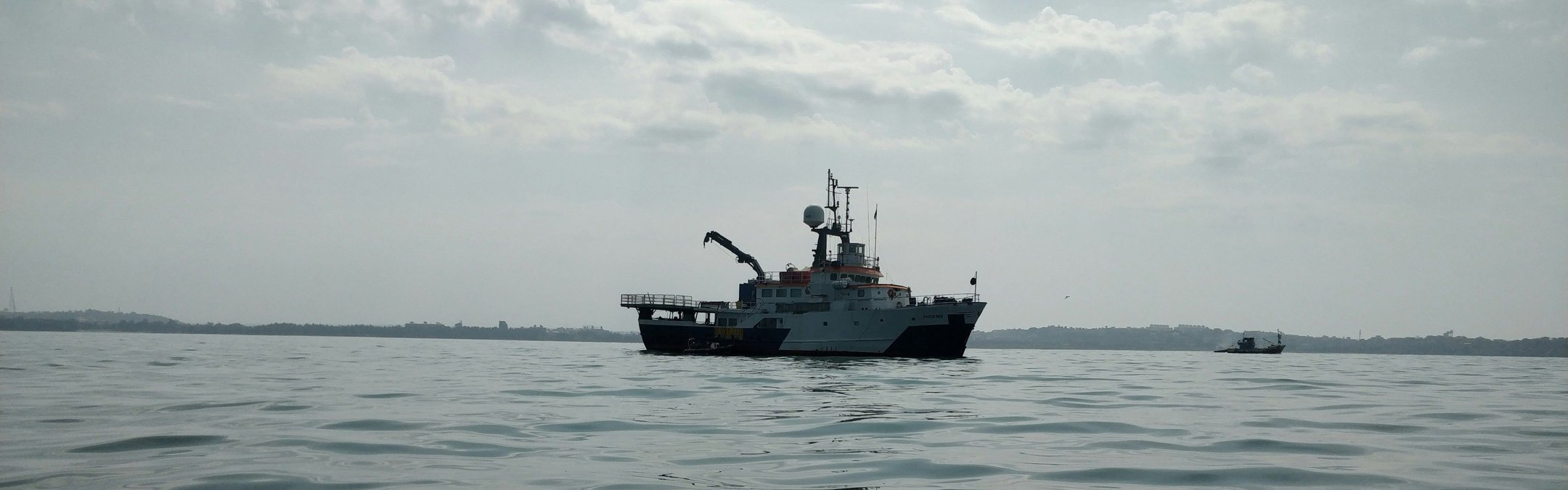
A small white fishing boat is photographed floating in the sea

Stop overfishing

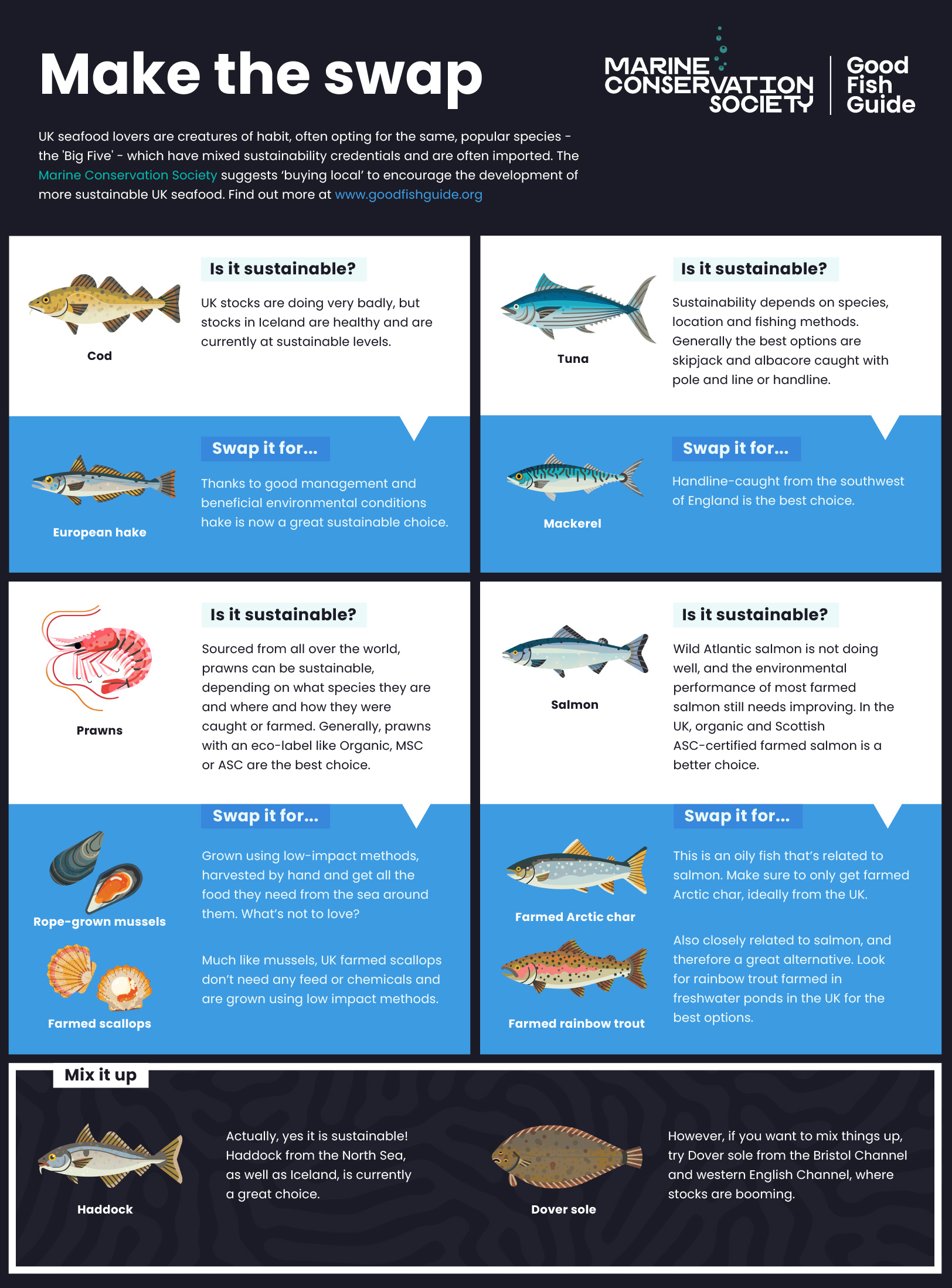
Today 90% of world fish stocks are fully or over-exploited from fishing. In this action area, your pupils will be diving into the world of sustainable seafood.

    Getting started

    In this action area, your pupils will be diving into the world of sustainable seafood. They'll learn what overfishing means, why it's happening and how it affects both marine life and the people who depend on our seas.

    Whether it's launching a school-wide 'unpopular' seafood species campaign, writing to local decision makers about sustainable menu options or raising awareness through art and storytelling, your pupils will be inspired to think globally and act locally.

    Ocean Literacy Quiz

    The first step in your journey is for your pupils to individually complete our Ocean Literacy Quiz. The quiz is designed to give us a snapshot of your pupils' current ocean knowledge and is a great way to track how far they've come by the end of the award.

    Achieving your award

    To become an official Ocean-Friendly School, your group will need to complete the two required actions in each step and show us what you've achieved by submitting evidence.

    On this page, you’ll find everything you need: step-by-step activities, downloadable resources and creative ideas to bring ocean learning to life in your classroom.

    When you're ready to submit your evidence, simply use our online form. Don’t forget to include photos, videos, or documents that showcase your pupils’ amazing work!

    Got any questions? Get in touch at [email protected]

    Step 1: Explore
    Research the topic

    In this step, your pupils will start researching how the ocean is impacted by overfishing and find out why this is important.

    They’ll explore the big problems facing our seas, like unsustainable fishing methods and species caught as bycatch, and use our resources to help figure out how your school is connected to the ocean - no matter where you are.

    Pupils can record their research for this task on the Overfishing research sheet. The resources listed below can be used to help with this task - feel free to use as many or as few as you like.

    Don't forget to submit your evidence of your work!

    Stop Overfishing Research Sheet
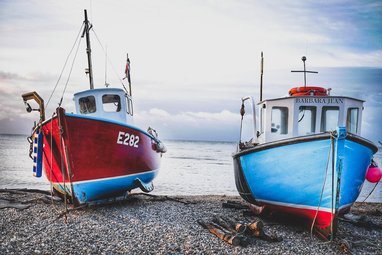
    A close up of two fishing boats resting on pebbles. One boat is a vivid red colour, and the other is a bright blue colour.

    Two fishing boats resing on the shoreline  |  Image credit: Jack Clarke

    Actions to take

    Further learning

    Step 2: Evaluate

    Gather and analyse data

    Now it’s time to become ocean investigators!

    In this step, your pupils will carry out surveys and collect data to measure your school's impact on the ocean. These could be school lunch audits, menu surveys or at-home tallies, and the data you gather will help you plan your next move.

    You'll also complete a scientific investigation to see the impact of your chosen ocean issue from your classroom.

    Don't forget to submit your evidence of your work!

    A boy in a gree crew neck t-shirt collecting lunch from the school canteen

    A primay school student getting his lunch at school  |  Image credit: CDC

    Actions
    Step 3: Act

    Take action to improve the issue

    Now that you've learned about sustainable seafood and gathered important data, it’s time to start making a difference.

    Using the data you collected in Step 2, your pupils will create a campaign or project that helps improve the problem.

    You could create a campaign around 'unpopular' seafood species, work with your caterers to come up with ocean-friendly options, or write to your local council to ask for their support - it's up to you! We've provide detailed planners below to help your team decide how to take action.

    Don't forget to submit your evidence of your work!

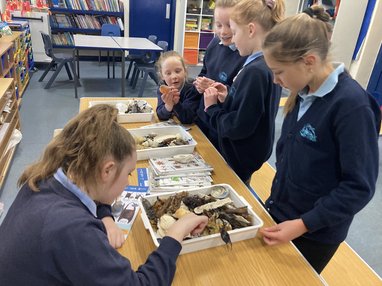
    A group of school children in a classroom taking part in the Natur Am Byth project by looking at objects in a white tray

    A group of school children in a classroom looking at marine objects in a classroom  |  Image credit: Alison Palmer Hargraves

    Actions

    Step 4: Share

    Inspire others to be more ocean-friendly

    The final step is all about sharing what your group have learned and encouraging others to change.

    You could host a Big Blue Day, run a cooking workshop, a food fair, or come up with your own fun way to celebrate! If you decide to fundraise for the sea, check out our guide for inspiration.

    To help your school continue their ocean-friendly journey, you'll also design an Ocean Manifesto with your very own pledges and inspire others to get involved.

    Don't forget to submit your evidence of your work!

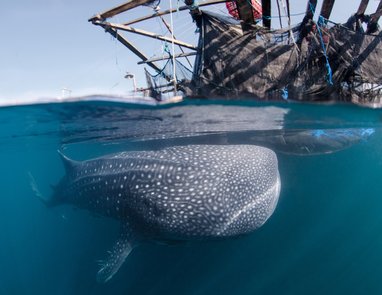
    Split between an underwater/surface view, a majestic whale shark with characteristic spotted skin swims close to a fishing vessel.

    A wale shark next to a fishing vessel  |  Image credit: Toby Matthews, Ocean Image Bank

    Actions

    Further actions


    Check out more free teaching resources