Super El Niño explained: What this could mean for marine life
4 minute read
There are growing concerns that a ‘Super El Niño’ could develop this year. We explore what this phenomenon is and what it could mean for our ocean - and the life within it.
What is the El Niño phenomenon?
An El Niño event is a global climate phenomenon in which the trade winds that normally push warm surface waters from east to west across the Pacific Ocean weaken or reverse, allowing warm, nutrient-poor surface waters to accumulate in the eastern Pacific. During an El Niño, upwelling, the process by which colder, nutrient-rich water rises to the surface, decreases. This results in warmer, nutrient-deficient surface waters and has knock-on effects for the entire marine food web. Phytoplankton, a key food source for many marine species, depends on nutrients being supplied to the surface and as a result, phytoplankton productivity declines.
This reduction in productivity in regions of the ocean leads to what is known as ‘bottom-up’ cascade effects on the entire ecosystem and global distribution of marine species. And while El Niño has always been part and parcel of Earth’s natural climate rhythm, what appears to be shifting is its frequency and intensity. As global temperatures rise, these events are believed to be strengthening, increasing the risk of broader impacts such as extreme weather.
‘Super El Niño’ events have occurred before: in 1982-1983, 1997-1998, and 2015-2016. These events were linked to widespread disruption of marine ecosystems, including mass coral bleaching and seabird die-offs.
Super El Niño and its potential impacts on marine life
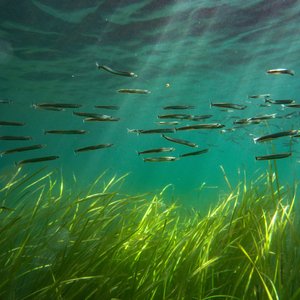
If a ‘Super El Niño’ event were to occur, we would likely see the decline of populations across a wide range of marine species, as reduced phytoplankton means animals that depend on them - including fish and seabirds - are forced to compete for a scarce food source. As part of this, species such as fish, which are highly sensitive to changes in their environment, will be especially vulnerable, with far-reaching consequences for fisheries and the local communities that rely on them for their livelihood.
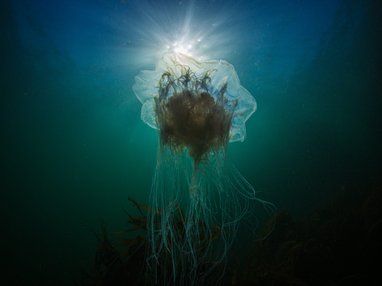
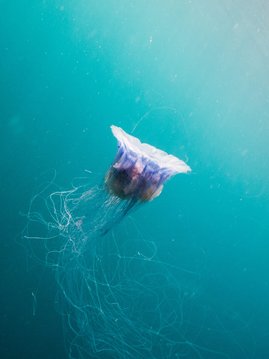
Blue jellyfish | Image credit: Mark Kirkland
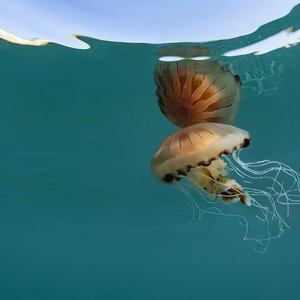
During the last El Niño event in 2015, volunteers reported almost double the average number of jellyfish we usually see, with sightings reaching the Marine Conservation Society’s third-highest level on record. The data speaks for itself: there were 1,828 jellyfish sightings in 2015 and 1,246 in 2016, with 2015 representing a 92% increase compared with the yearly average of 953 sightings between 2004 and 2025.
Although the warmer weather may have encouraged more people to be out spotting jellyfish, it’s likely that higher temperatures contributed to an increase in jellyfish numbers.
For example, increased jellyfish numbers may attract more leatherback turtles, which are likely to move to areas with an abundance of prey – highlighting how El Niño can ripple through the food chain and affect species distribution.
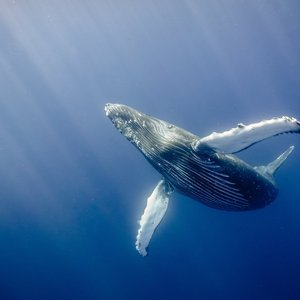
But leatherbacks are not the only migratory species who will be affected by El Niño. Another outcome of reduced productivity in certain regions is the disruption of migratory behaviour in marine species such as humpback whales and seabirds. As ocean currents shift, El Niño can reduce time spent in foraging grounds by lowering food availability, which in turn alters migration timing and routes.
Calum Duncan, our Head of Policy & Advocacy said: “Super El Niño events can dramatically affect marine life, and during the 2015 event we saw a significant rise in jellyfish sightings around the UK. If similar conditions develop again in 2026, public sightings reported through our Jellywatch programme will be more important than ever in helping us to build a clearer picture of how shifts in ocean conditions affect the distribution and abundance of marine life.
Every jellyfish sighting submitted throughout the year provides valuable data that allows us to better understand the changing health of our seas.”
Calum Duncan, Head of Policy & Advocacy
How rising temperatures affect marine biodiversity
For thousands of years, the ‘weather’ of our ocean has been more stable than on land. There are currents and seasonal changes, but because of the sheer size of the ocean, and its fluidity, heatwaves in our seas haven’t been as regular as those on land. Sea temperatures around the UK have thus far remained relatively stable, ranging from around 8°C in the northern North Sea in February-March to a maximum of about 18°C in southern England in September-October.
However, rising global temperatures has led to 3-4°C heatwaves in tropical countries, causing significant coral death since at least 1998. This poses a major risk to marine biodiversity, as coral reefs are the most biodiverse marine ecosystem - providing habitat, food and shelter for roughly a quarter of all marine life. The impacts of rising temperatures are not confined to the sea but are also evident on our beaches. We’ve also seen an increasing proportion of female turtle hatchlings on tropical beaches, as sand temperatures rise above 29°C, the threshold that determines female sex during development.
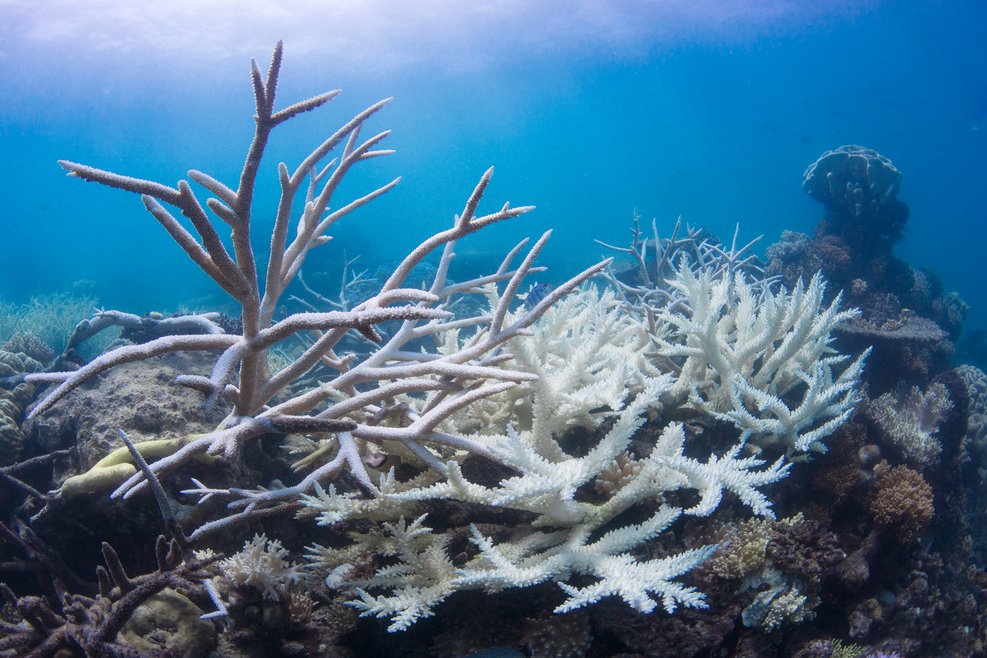
Rising global temperatures have caused significant coral death
Image credit: The Ocean Agency
Closer to home, we've also seen marine heatwaves in our waters. In 2023, sea temperatures around the UK reached up to 5°C above average, causing severe stress to colder-water species such as mussels, oysters, and kelp, while also disrupting ecologically important plankton blooms. With climate change, experts at University of Exeter estimate that there is now a 10% chance of a marine heatwave every year.
If ocean warming continues over sustained periods, our seas could lose some of their essential ecosystem engineers. Rising sea temperatures will lead to a significant decline in biodiversity across seafloors, coastal ecosystems and coral reefs. As cold-water loving kelp forests disappear, so too does their role as crucial carbon sinks and habitats for marine life, while filter-feeding species like oysters and sponge beds will struggle to maintain the health of our seawater.
What next for the ocean and planet?
This isn’t just a future issue – rising ocean temperatures are already affecting our once-productive seas. Because of higher temperatures, cold-water species are moving north towards cooler waters and the range of warm-water species is expanding.
Unless we take collective action, this won’t be a blip, but a sign of things to come. We're calling on the UK Government to take urgent and bold steps to tackle the climate crisis. That means strengthening and not weakening marine protection laws and policies, strategic marine planning that places renewable energy in the right place whilst creating more opportunities to regenerate our depleted marine habitats, and sustained investment into systems that reduce pollution, consumption, and carbon emissions at scale.
Crucially, the marine environment must be placed at the centre of climate and conservation policy. Our seas are not only being impacted by climate change; they are also a vital part of the solution. Understanding how marine species are responding to these changes is essential to protecting the health and resilience of our ocean for generations to come.
To help track these changes, we're calling on the public to report jellyfish sightings through our nationwide Jellywatch programme. Every sighting submitted helps scientists monitor the health of our seas and track changes in marine species over time.