Commonwealth Games: Marine life edition
2 minute read
Our shores are full of diverse marine wildlife, home to species just as remarkable as those found further afield. If British marine life was to compete in the Commonwealth Games, they would surely be in the pool of medals.
Artistic gymnastics: Sea angel
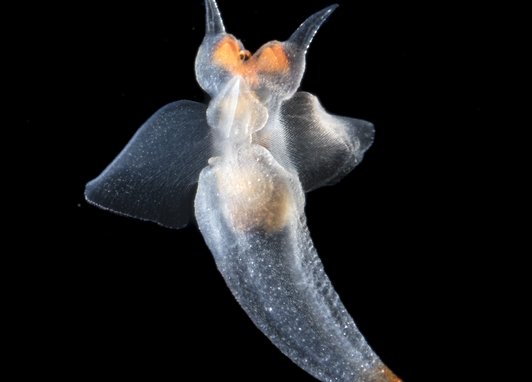
Image credit: Kirsty Andrews
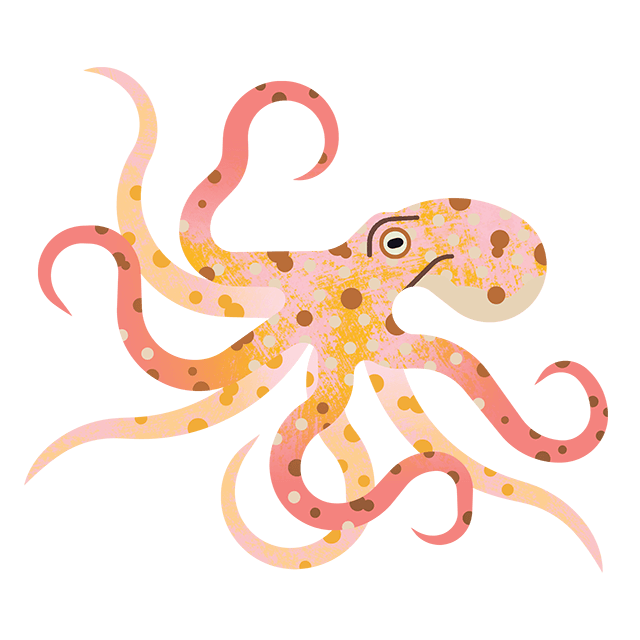
Bowls: Common octopus
The common octopus is the definite choice for the bowls team. Each of its eight arms has its own ‘mini brain’, allowing them to act independently. This gives the octopus more control of its movements and use sensory information to determine where to aim the ball.
The common octopus is also highly intelligent, enabling it to devise a playing strategy and drive and draw the ball with accuracy. Using their jet-propulsion ability, they can shoot forward – momentum that’s required for those all-important weighted shots.
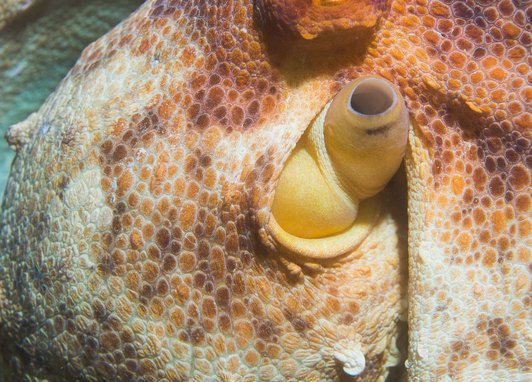
Image credit: Cathy Lewis
Boxing: Conger eel
We know what you’re thinking, how can a conger eel box if it has no arms? Well, this creature doesn't need them to be champion of the ring.
Growing to 3 metres long and typically weighing up to 25kg, these muscular animals have some serious weight behind their attack. They hide in holes, crevices and caves, lying in wait for prey before bursting forth with incredible speed and power.
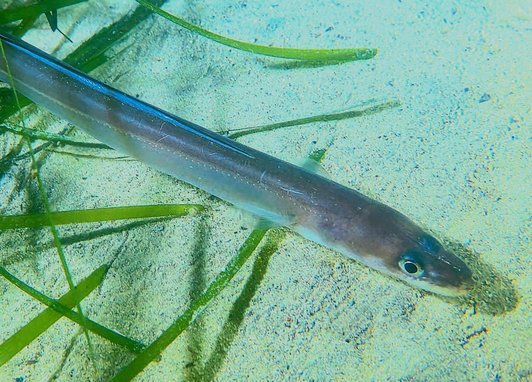
Image credit: Jérémy Capelle
Judo: Shore crab
The shore crab would be a fierce and agile contender in marine martial arts. They are known for their territorial behaviour and are no strangers to engaging in fights – whether that’s for hiding places, food or mating opportunities. Their powerful pincers enable them to grasp and pinch their opponents, snatching the opportunity for medals in the process!
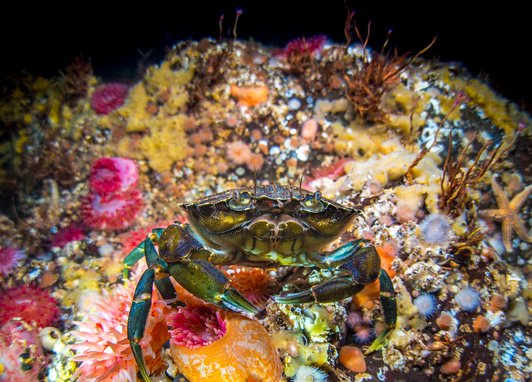
Image credit: Mark Kirkland
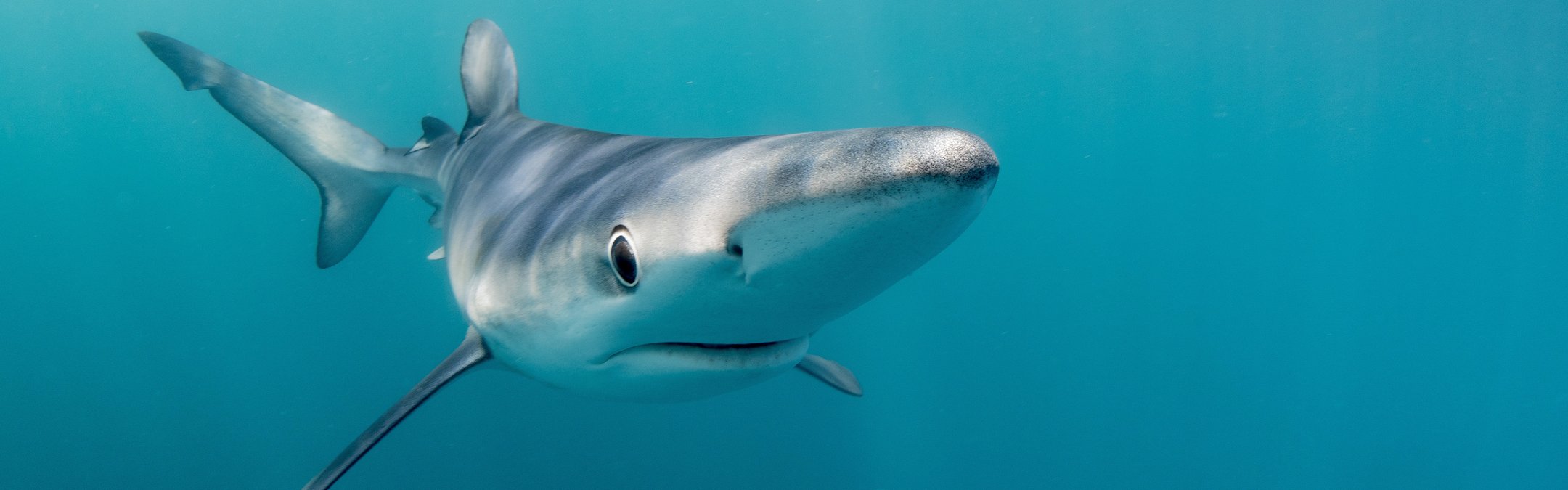
Swimming: Blue shark
Although it typically swims at a cool 1.5 miles per hour, the blue shark can reach speeds of up to 43 miles per hour – making it one of the fastest shark species and a perfect candidate for swimming. These extreme speeds are reached through sudden explosive bursts, much like when the swim team set off at the sound of the whistle.
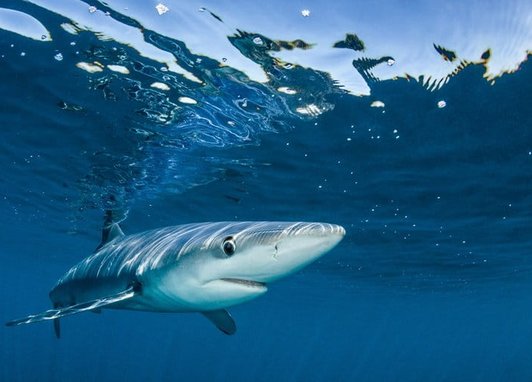
Image credit: Kirsty Andrews
Athletics: Atlantic bluefin tuna
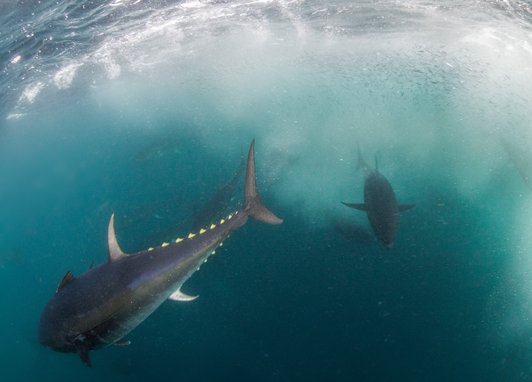
Image credit: Mark Kirkland
Commonwealth clean oceans plastics campaign
This year, Commonwealth Sport is partnering with the Royal Commonwealth Society to tackle plastic pollution. The Commonwealth Clean Oceans Plastics Campaign is bringing together athletes and communities to prevent one million pieces of plastic from entering Commonwealth waterways before the Commonwealth Games start. This campaign has formed a central part of activities during the King’s Baton Relay, shining a light on initiatives taking place in each nation and territory and bringing together communities to clean up plastic around waterways and oceans.
Y Môr a Ni, the Welsh Ocean Literacy Coalition (WOLC), teamed up with Team Wales for the King's Baton Relay in the lead-up to the Glasgow 2026 Commonwealth Games, reflecting the importance of Welsh seas and coasts to Wales' culture, identity and heritage. 15 WOLC partners hosted seven events to celebrate the marine environment across Wales and the community champions who help protect it. Events included shark eggcase hunts, seagrass snorkelling, guided nature walks, rockpooling and boat trips!
The Marine Conservation Society sits on the Steering Group of the Welsh Ocean Literacy Coalition, supporting the implementation of the Welsh Ocean Literacy Strategy, the second national ocean literacy in the world.
Our Beachwatch data has consistently shown plastic pollution is a blight on our beaches and in our ocean. Alongside our amazing volunteers, members, supporters and corporate partners, we're working hard to clean up beaches, stop pollution at source and regenerate our seas. If you'd like to help, why not sign up for a beach clean today?